Very professional and caring.

5 Signs Your Child May Need Pediatric Pelvic Floor Physiotherapy
5A-1410 Bayly St, Pickering, ON, L1W 3R3, CA
303 Reviews

Carl
Great help and support from Raji and Sam!
Response By Admin
Dear Carl, Thank you for your kind words! We’re glad Raji and Sam could provide great help and support. We truly appreciate your feedback! Best Regards, Bayly Physio & Rehab Team

Maria
Response By Admin
Dear Maria, Thank you so much for your wonderful 5-star review! We’re thrilled to hear that you had a positive experience with us. Our team is dedicated to providing the best care and support for our clients, and it’s rewarding to know that we made a difference in your journey. Best Regards, Bayly Physio & Rehab Team
Andre
Knowledgeable staff. Great techniques. High recommendation.
Response By Admin
Dear Andre, Thank you. We’re glad you found our staff knowledgeable and appreciated the techniques. Your kind words mean a lot to our team. Best Regards, Bayly Physio & Rehab team
Dennis
During my Physio treatment and continuing -I have had excellent treatment and results and very informative and very positive and professional-Highly recommended
Response By Admin
Manzoor
Response By Admin
Dear Manzoor, Thank you. We always appreciate hearing from our visitors, and we are glad you had such a smooth visit with our team today. Best Regards, Bayly Physio & Rehab team

Matt
Staff is friendly and they do good work on me
Response By Admin
Dear Matt, Thank you. Our team always strives to provide friendly care and quality treatment, so we are glad you had a positive experience with our services. Best Regards, Bayly Physio & Rehab team
Sindhia
Highly recommended
Response By Admin
Dear Sindhia, Thank you for taking the time to share your feedback, and it is wonderful to hear that our service met your expectations. Best Regards, Bayly Physio & Rehab team
Isabel
Excellent service and great results. Thank you Raji, Connie and Sam!
Response By Admin
Hi Izzie, we're absolutely thrilled you found our service excellent and that you're pleased with the results! Both Therapists will be delighted to hear your praise. Thanks for your positive feedback, hope to see you again at Bayly Physio & Rehab.
Rose
Response By Admin
Dear Rose, Thank you. We truly appreciate you taking the time to share your feedback about our notary services. Best Regards, Bayly Physio & Rehab team
Gail
I just started going to Bayly Physio & Rehab and I must say, the service is amazing. They are friendly and supportive. They answer all questions with patience. My kids and I feel great after going for any service. I highly recommend.
Response By Admin
Dear Gail, Thank you. for the kind words about Bayly Physio & Rehab! It is wonderful to hear that your family feels supported and well cared for during every visit, and we appreciate you sharing your experience with our clinic. Best Regards, Bayly Physio & Rehab team
Kate
Response By Admin
Dear Kate, Thank you for taking the time to leave us your feedback. We are glad to hear that you enjoyed your visit with us. Best Regards, Bayly Physio & Rehab team
Alia
Ms Raji Dhasarathan is an amazing physiotherapist who always makes me feel safe and comfortable in her care. She’s an exceptional help on my road to recovery.
Response By Admin
Dear Alia, Thank you for sharing your feedback with us. We are glad to hear that Raji made you feel comfortable and supported throughout your therapy session. Best Regards, Bayly Physio & Rehab team
Kerisha
Very patient centered and friendly.
Response By Admin
Dear Kerisha, Thank you for sharing your thoughts with us. We are glad to hear that our care left such a positive impression on you during your visit. Best Regards, Bayly Physio & Rehab team
Travis
The staff are great and very attentive. They don’t rush and make sure you get the treatment you need. My physiotherapist is incredibly knowledgeable and knows exactly what I should be doing and when I should be doing it. I also appreciate that the tell me every detail of what they are doing in my treatment plan and why.
Response By Admin
Dear Travis, Thank you for taking the time to share your feedback. We are glad to hear that our team takes the time to explain every step of your physiotherapy treatment plan so you feel informed and comfortable throughout the process. Best Regards, Bayly Physio & Rehab team
sara
I’ve had a great experience with my acupuncturist. Daniel is very knowledgeable, professional, and genuinely caring. He takes the time to listen and makes you feel comfortable throughout every session. I’ve noticed a positive difference since starting acupuncture and would definitely recommend Daniel to anyone looking for a great acupuncturist.
Response By Admin
Dear sara, Thank you for sharing your feedback with us. We are glad to hear that Daniel made you feel comfortable and that you are seeing positive results from your acupuncture in Pickering. Enjoy the rest of your week! Best Regards, Bayly Physio & Rehab team
Maria
I am so pleased with my recent experience with Bayly physio. Raji is a very knowledgeable and caring physiotherapist, who cured my vertigo! She is helping me with other symptoms too. The staff is very professional- booking appointments is easy and efficient, they provide friendly reminders, and the billing process is so smooth. Highly recommend!
Response By Admin
Dear Maria, Thank you for sharing your feedback with us. We are glad Raji could support your care and that our team made scheduling and billing smooth for your visits to our physiotherapy clinic. Best Regards, Bayly Physio & Rehab team
Meagan
I came to the clinic screaming in pain. The physiotherapist diagnosed me with a back spasm and helped ease the pain. After two sessions the pain was gone and on our third session I was given stretches to do that would help strengthen my back. She explained everything she was doing as she did it so I felt included in my care. Everyone is super friendly and helpful and knows what they’re doing.
Response By Admin
Dear Meagan, Thank you for sharing your feedback with us. We are glad our team could keep you informed during treatment and assist with your recovery at our physiotherapy clinic. Best Regards, Bayly Physio & Rehab team
Sree
Bayly physio and Rehab staff are amazing. They are very accommodating with busy schedules. I went there for accupunture(chineese person) was very knowledgeable and explained everything to me and I must say after just 5 sessions, my whole body started feeling younger and engertic.
Response By Admin
Dear Sree, Thank you for sharing your feedback about your visits with our team. We are glad our flexible scheduling worked well for you and that your sessions for acupuncture in Pickering left you feeling refreshed. Best Regards, Bayly Physio & Rehab team
Harish
Thanks to Bayly physio & Rehab.i had an excellent experience with Miss Raji Dasarthan. She was friendly, professional, and made me feel comfortable from the very first visit. She took the time to understand my condition, explained the treatment plan clearly, and answered all of my questions. She also provided me with a printed home exercise program that was easy to follow and really helped with my recovery. After just a few sessions, I noticed a significant improvement in my pain and mobility. I truly appreciate her care, knowledge, and dedication. I highly recommend Miss Raji Dasarthan to anyone looking for an excellent physiotherapist.
Response By Admin
Dear Harish, Thank you for sharing your feedback about working with Raji Dasarathan. We are glad to hear that her care and home exercise program helped support your recovery and mobility. Best Regards, Bayly Physio & Rehab team
Ramakrushna
The clinic is clean, organized, and conveniently located with ample parking and easy access near the highway and GO Station. Overall, I had an excellent experience at Bayly Physio & Rehab and would confidently recommend their physiotherapy and osteopathy services to anyone seeking high-quality care.
Response By Admin
Dear Ramakrushna, Thank you for sharing your feedback about visiting Bayly Physio & Rehab. We are glad our location was convenient for you and that you had a positive visit with our physiotherapy clinic. Best Regards, Bayly Physio & Rehab team
Roy
Very nice staff very friendly I came with my shoulder pain feel really good now highly recommend anyone to visit this place for physio and acupuncture as well
Response By Admin
Dear Roy, Thank you for sharing your feedback. We are glad our friendly team could support your recovery and that your session for Acupuncture in Pickering helped bring comfort to your shoulder. Best Regards, Bayly Physio & Rehab team
Chris
Response By Admin
Dear Chris, Thank you for taking the time to leave us a review. We truly appreciate your support and look forward to seeing you again on your next visit. Best Regards, Bayly Physio & Rehab team
Margaret
Response By Admin
Dear Margaret, Thank you for taking the time to share your support. We truly appreciate your feedback and look forward to welcoming you back for another great service in the future. Best Regards, Bayly Physio & Rehab team
MA
Raji has been great help with my plantar fasciitis treatment, the extra help with massage and acupuncture hopefully will completely heal my pain
Response By Admin
Dear MA, Thank you for sharing your feedback. We are glad Raji has been able to support your recovery, and that integrating Massage Therapy in Pickering along with your acupuncture sessions is helping you feel more comfortable. Best Regards, Bayly Physio & Rehab team
khushi
Bayly physio is the best place to go for rehabilitation. I tried acupuncture with Daniel i had better recovery and outcomes. Their staff is kind and responsive. Highly recommend.
Response By Admin
Dear khushi, Thank you for sharing your experience with us. We are pleased to hear that Daniel helped support your recovery through acupuncture in Pickering and that you found our team responsive. Best Regards, Bayly Physio & Rehab team
Assia
Response By Admin
Dear Assia, Thank you for taking the time to share your support. We truly appreciate your positive feedback and look forward to welcoming you back for another visit in the future. Best Regards, Bayly Physio & Rehab Team
Darrin
The last place I went for physio was great at running through my insurance plan money, but not so good at planning for my long term recovery. Raji and Sonali gave me great treatment, then Raji gave me stretching and weight exercises to ensure I don’t have trouble again. I’m extremely happy with my experience and would happily recommend them for whatever issue you’re having. Also, Sam Mathew gave me a great massage and really helped my upper back and left hip tightness. Great staff all around, right up to the very friendly front of business staff that greets you when you arrive. Highly recommended!
Response By Admin
Dear Darrin, Thank you for sharing your recovery journey with us. We are glad to hear that Raji and Sonali could help with your routine, and that Sam provided relief for your back and hip tightness. Our team always aims to focus on your long-term wellness through physical therapy in Pickering, and we appreciate your recommendation. Best Regards, Bayly Physio & Rehab Team
Amir
I highly recommend Bayly Physio! The entire team has been amazing in helping me and my family. A special thank you to Raji, Nooreen, Taffany , Connie, Sam and the front desk clerk for their kindness, professionalism, and ongoing support.
They truly care about their patients and always go above and beyond to make sure we receive the best care possible. Thanks to their expertise and dedication, we have felt supported throughout our recovery journey.
I cannot thank them enough for everything they have done for us. If you are dealing with pain or need physiotherapy services, I would highly recommend Bayly Physio to anyone looking for compassionate and effective care.
Response By Admin
Dear Amir, Thank you so much for sharing your family's recovery journey with us. We are glad to hear you felt well supported by Raji, Nooreen, Tiffany, Connie, Sam, and our front desk team throughout your visits. Knowing that we could provide compassionate care for your needs means the world to everyone here. We are always happy to help with physical therapy in Pickering whenever you or your family need us. Best Regards, Bayly Physio & Rehab Team
Lalu
Excellent physiotherapy experience. Professional, attentive care and great results. —highly recommend. A big thank you to Raji for the amazing service / sessions. I will definitely recommend to more friends and family.
Response By Admin
Dear Lalu, Thank you for sharing your experience and recommending us to your family and friends. We are glad to hear about your great results, and Raji will be happy to know that their sessions made a meaningful difference for you. Providing attentive physiotherapy in Pickering is what we strive for, and your feedback truly means a lot to our team. Best Regards, Bayly Physio & Rehab Team
Tommy
My Family refuse to go anywhere else because the service and hospitality we receive is amazing. We recommend Bayly Physio and Rehab to all our Friends and Family.
Response By Admin
Dear Tommy Conlon, Thank you for taking the time to share your thoughts. We are glad to hear you found your session relaxing and helpful for your well-being. Providing a calm and restorative experience is what our team focuses on, and we look forward to seeing you again for massage therapy in Pickering. Best Regards, Bayly Physio & Rehab Team
Aaron
⭐⭐⭐⭐⭐
I’ve been coming here for physiotherapy and osteopathy, and the experience has been excellent.
My physiotherapist, Raji (Rajalakshmi), and her assistant Sonali have been fantastic to work with. They’re professional, knowledgeable, and genuinely care about helping their patients improve. They take the time to explain what’s going on and make sure you’re comfortable with the treatment plan.
I’ve also seen Tiffany Best for osteopathy, and she’s outstanding. Very friendly, professional, and knowledgeable. She takes the time to listen, answers questions thoroughly, and makes you feel at ease throughout the appointment.
The clinic itself is clean, well organized, and easy to access. There’s plenty of parking, and the location is very convenient right next to the highway and GO Station.
Overall, I’ve had a great experience here and would highly recommend Bayly Physio & Rehab to anyone looking for physiotherapy or osteopathy services.
Response By Admin
Dear Aaron Andrews, Thank you for taking the time to share your experience with us. We are glad to hear that Raji, Sonali, and Tiffany have provided such thorough care and made you feel comfortable during your visits. Our goal is to maintain a clean, accessible space for everyone receiving Physical therapy in Pickering, and your kind words mean a lot to the whole team. Best Regards, Bayly Physio & Rehab Team
NJ
Excellent physiotherapy experience. Professional, attentive care and great results—highly recommend.
Response By Admin
Dear NJ, Thank you for sharing your experience. We are glad to hear you received attentive care and achieved great results. Our team is dedicated to providing quality Physical therapy in Pickering, and your recommendation means a lot to us. Best Regards, Bayly Physio & Rehab Team
Rakshan
I like massage therapy is nice and relaxing
Response By Admin
Dear Rakshan, Thank you for taking the time to share your thoughts. We are glad to hear you found your session relaxing and helpful for your well-being. Providing a calm and restorative experience is what our team focuses on, and we look forward to seeing you again for massage therapy in Pickering. Best Regards, Bayly Physio & Rehab Team
Prudviraj Lavudiya
Great place with exceptional staff, truly accommodating and best treatment facilities.
Response By Admin
Dear Prudviraj Lavudiya, Thank you for sharing your feedback. We are glad to hear that our staff could accommodate your needs and provide a positive environment for your care. Our team is dedicated to offering supportive and thorough physical therapy in Pickering, and your kind words mean a lot to us. Best Regards, Bayly Physio & Rehab Team
Mark
Truly grateful to my progress on my hand. Specifically, my finger when I tore the ligaments I believe in my index finger. I have since been discharged and recommended my wife to go in for therapy herself. She is also finding tremendous benefits and would recommend and will recommend to more friends and family. Staff is genuine and interested in recovery.
Response By Admin
Dear Mark Glyn-Williams, Thank you for sharing your progress and for recommending us to your wife, family, and friends. We are glad to hear that both you and your wife have experienced such positive results with your recovery. Our team is committed to providing meaningful support throughout the rehabilitation process, and we look forward to assisting your loved ones at our Physiotherapy center in Pickering. Best Regards, Bayly Physio & Rehab Team
Sai
Best rehab clinic I have been to. When I first started treatment, I was booked with Raji, the physiotherapist. Her main focus was always on helping me get back on track as soon as possible. She treated me with great care and created a structured treatment plan. I started noticing real improvements within a month.
Sam, the massage therapist, is excellent. He is very experienced and knows exactly how much pressure your body needs. He takes time to understand your concerns and adjusts the treatment accordingly. His Epsom salt technique after massage sessions was especially helpful for me and played a big part in my recovery.
Daniel, the acupuncturist, is a true specialist. He has deep knowledge of the body and its energy flow. He takes time to understand your condition and makes sure you are comfortable during the treatment. I felt the effects after my very first session, and it left me feeling both physically better and mentally relaxed.
I would also like to thank the clinic team at reception. They are always friendly, welcoming, and professional. They make appointment booking and follow-ups very smooth. Sonali regularly check in during treatments to make sure everything is okay and if I need anything.
Overall, this is a great clinic with an amazing team. It has become my go-to place for all my rehab needs, and I highly recommend it.
Response By Admin
Dear Sai Pendyala, Thank you for sharing your detailed feedback with us. We are glad to hear that Raji, Sam, Daniel, and our reception team, including Sonali, provided such dedicated care throughout your recovery journey. Knowing that you noticed real progress and felt comfortable at every visit means a lot to everyone here. We look forward to continuing to support you at our Physiotherapy center in Pickering. Best Regards, Bayly Physio & Rehab Team
Jen
Raji is really great, i would recommend to anyone in the durham area!
Response By Admin
Dear Jen Stewart, Thank you for sharing your recommendation. We are glad to hear that Raji provided great care and made a positive impression during your visit. We will be sure to pass along your kind words to her, and we look forward to assisting you or anyone you know in the Durham area at our Physiotherapy center in Pickering. Best Regards, Bayly Physio & Rehab Team
Ravi
Very good treatment overall!!! Highly recommended
Response By Admin
Dear Ravi Maniam, Thank you for taking the time to share your feedback. We appreciate your recommendation and are glad to hear that you had a positive experience working with our team. Providing consistent care is our priority, and we look forward to assisting you again whenever you visit our Physiotherapy center in Pickering. Best Regards, Bayly Physio & Rehab Team
Chris Gilligan
Great experiences with both Raji for physio and Nooreen for Chiro, receiving treatment for TMJ.
Response By Admin
Dear Chris Gilligan, Thank you for sharing your experience with Raji and Nooreen. TMJ issues can be incredibly uncomfortable, so we are glad to hear that their combined approach helped you find some relief. Your kind words mean a lot to us, and we are proud to provide reliable physical therapy in Pickering for our community. Best Regards, Bayly Physio & Rehab Team
carltonlovesthelaker
The people at this place are so kind, professional and are doing a wonderful job getting back to good! So happy I found them and I will always come here for any and all physio/chiropractor care.
God Bless and I’m beyond grateful to you all!! 😊
Response By Admin
Dear carltonlovesthelaker, Thank you so much for your kind words and for sharing your experience with us. It means a lot to our team to know that we can support you on your recovery journey. We look forward to being here for you whenever you need a chiropractor in Pickering or any other care to help keep you moving comfortably. Best Regards, Bayly Physio & Rehab Team
Salvador Flamenia
Response By Admin
Dear Salvador Flamenia, Thank you so much for taking the time to share your feedback. We appreciate your support and are glad to assist you with your physical therapy in Pickering. Our team is always here to support your movement goals whenever you need us. Best Regards, Bayly Physio & Rehab Team
Arianna
I definitely recommend!! I’ve been coming here since they opened, not one complaint☺️. Everyone here has been absolutely amazing. They’ve made my recovery so much easier. I can’t thank the team enough!
Response By Admin
Dear Arianna, Thank you for your loyalty and for sharing your recovery journey with us. We are glad to hear that our team has been able to support you consistently since we opened our doors. Helping our clients feel supported during recovery is exactly what we strive for every day while providing physical therapy in Pickering. We truly appreciate your kind words and look forward to continuing to assist you. Best Regards, Bayly Physio & Rehab Team
Steve
i have been going here for a few weeks now. i feel good. i have used the physio, chiro and accupuncture. all have been exceptional and would recomend this place to anyone that needs care. thanks everyone there. the are all friendly and caring
Response By Admin
Dear Steve Josch, Thank you for sharing your experience, we’re glad you’ve had a positive visit with our team across services. It’s great to hear that Acupuncture in Pickering along with our other treatments made you feel comfortable and supported. We appreciate your recommendation and look forward to continuing to assist you. Best Regards, Bayly Physio & Rehab Team
Mohd
Very professional and did wonderful job
Response By Admin
Dear Mohd LTif, Thank you for your kind words and for taking the time to share your feedback. Our team is dedicated to maintaining high standards for everyone seeking physical therapy in Pickering, and we are glad to hear you had a positive experience with our services. Best Regards, Bayly Physio & Rehab Team
Aggie
Really enjoyed my first visit, was well cared for and will definitely recommend!
Response By Admin
Dear Aggie Milousis, Thank you for sharing your positive feedback and for choosing us for your care. It is wonderful to hear that you felt supported during your first visit, and we look forward to assisting you with physical therapy in Pickering as you continue your wellness journey. Your recommendation means a lot to the team, and we are here whenever you need further assistance. Best Regards, Bayly Physio & Rehab Team
Chris
Response By Admin
Dear Chris Button, Thank you for visiting us. It is great to know you had a positive experience at our clinic. We aim to ensure every patient can melt away the tension and physical stress that brought them through our doors. Best Regards, Bayly Physio & Rehab Team
John
Excellent service from the staff, and I was able to make great progress in the healing of my partially torn shoulder thanks to their skilled Physiotherapist.
Response By Admin
Dear John Ramdial, Thank you for your kind feedback! We’re glad to hear our team supported your recovery and that you’ve seen progress with your shoulder. Providing consistent care through physical therapy in Pickering is what we focus on, and we appreciate you sharing your experience. Best Regards, Bayly Physio & Rehab Team
sridipa
I have only been going to Bayly Physio and Rehab for a month and have seen significantly more progress than years of physiotherapy combined at multiple other places. I wish I had found it sooner. I have had the pleasure to meet Raji (physiotherapist) to treat my persistent back pain, body ache after twin pregnancy and she has done wonders to help me. The therapy has not only helped me get physically better but also mentally recover from a long standing history of body ache. Raji has also treated my vertigo issue with just 2 sessions and the symptoms have 95% gone away. Highly recommend this clinic and Raji for your physiotherapy needs.
I have also met the chiropractor at this place once and she treated me so much care. She also doesn’t do a 5 minute adjustment which is very typical with most practitioners. I was pleased to see her put in almost an hour into our first session. I will be seeing her soon.
Response By Admin
Dear sridipa chakraborty, Thank you for sharing your incredible progress with Raji and our chiropractic team. It is rewarding to hear how our attentive approach helped you recover both physically and mentally after your pregnancy. For those seeking dedicated Pelvic Floor Physiotherapy in Pickering, your success story highlights the impact of thorough, patient-focused care. We look forward to seeing you again soon. Best Regards, Bayly Physio & Rehab Team
Arifa
The clinic is really good, I have been coming here for last 3 years.
All the professionals workers are very friendly.
Response By Admin
shane
Response By Admin
Dear shane wilcox, Thank you for visiting us. It is great to know you had a positive experience at our clinic. We aim to ensure every patient can melt away the tension and physical stress that brought them through our doors. Best Regards, Bayly Physio & Rehab Team
Satish
The staff here are friendly and very knowledgeable. I want to specifically thank my physiotherapist, Rajalakshmi: she was fantastic. I came in with extreme shoulder pain from a muscle strain, but through her targeted therapy and progressive exercise plan, I am now completely pain-free. Thank you so much to the whole team!
Response By Admin
Dear Satish Sutariya, Thank you for your kind words and for recognizing the care you received. It is wonderful to hear that your shoulder mobility has improved and that the exercise plan was effective for your recovery. We will certainly pass your gratitude along to Rajalakshmi and the rest of our team. Beyond physiotherapy, we also support our clients through various wellness options including Massage Therapy in Pickering to help maintain physical health. We look forward to seeing you again. Best Regards, Bayly Physio & Rehab Team
Steph
My experience with physio at this clinic has been very positive.
Raji is kind, considerate, and genuinely takes the time to understand my pain and concerns before creating a treatment plan and recommending pain-management methods. For months I was receiving the wrong information from other professionals, but since meeting Raji, I am finally starting to feel better and feel hopeful about my recovery. I truly appreciate the care and attention I am receiving at Bayly.
Response By Admin
Dear Steph C, Thank you for sharing your experience and for trusting Raji with your recovery. We are pleased to hear that her kind approach and attention to detail helped provide the clarity you needed to start moving forward. Providing thorough and compassionate Physical therapy in Pickering is a priority for our team, and we are glad you are feeling hopeful and seeing real progress. Best Regards, Bayly Physio & Rehab Team
James
Friendly, knowledgable, and always supportive to patients, Bayly Physio & Rehab is a group I will always recommend to friends and colleagues alike.
They have helped me a great deal with my back and feet, which, working in healthcare, go through a great deal of wear and tear.
Thank you Bayly Physio & Rehab!
Response By Admin
Dear James MacCormac, Thank you for your kind feedback. We’re glad our team could support you with your back and foot concerns, especially with the demands of working in healthcare. It means a lot to know you trust and recommend our physical therapy in Pickering. Best Regards, Bayly Physio & Rehab Team
Sonali
I’ve had a great experience at Bayly Physio & Rehab. The clinic has an excellent team of professionals who truly care about their patients and work together to provide high-quality care.
They offer a wide range of services including physiotherapy, chiropractic care, massage therapy, acupuncture, osteopathy, pelvic floor therapy, and rehabilitation programs. The osteopathy services are especially helpful for people dealing with chronic pain, mobility issues, and overall body balance, and the practitioners take a very holistic approach to treatment.
The entire team is friendly, knowledgeable, and very supportive. They always take the time to listen, assess the problem carefully, and create personalized treatment plans. The clinic environment is welcoming and professional, and you can see how well the staff collaborate to help patients recover faster and feel better.
I highly recommend Bayly Physio & Rehab to anyone looking for comprehensive rehabilitation and wellness services. The dedication and care from the whole team truly make this clinic stand out.
Response By Admin
Dear Sonali Parmar, Thank you for sharing such thoughtful feedback. We’re glad our team’s collaborative and patient-focused approach made your experience positive, and it’s great to hear the services and care supported your recovery. Your kind words about our physical therapy in Pickering mean a lot to the entire team. Best Regards, Bayly Physio & Rehab Team
afrah
I am really happy to visit to rajalakshmi for physio she is extremly good on her work and its really help me alot to reduce my leg pain
Response By Admin
Dear afrah Irfan, Thank you for sharing your experience. We’re glad Rajalakshmi could help reduce your leg pain and support your recovery. It’s great to know you had a positive visit while exploring services like chiropody in Pickering. Best Regards, Bayly Physio & Rehab Team
Mel
Wow! Never thought it would be possible to not have neck pain. Went in to my first appointment thinking that it would take awhile before I’d see any results but I felt relief immediately and the next day, I woke up with no pain in my neck! It’s been a bit more than a week and I’ve been doing my exercises every day and the pain has stayed mostly away. I like that Dr. Raji shows me how to do the exercises, then she does some work on me to give immediate relief such as massage, heat with tens machine etc…I’ve recommended my husband to come for for pain and hope Dr. Raji will be able to help him as well. Highly recommend! Regarding the staff…the receptionists and Dr. Raji are kind and I felt comfortable in my visits.
Response By Admin
Dear Mel Ching, Thank you for sharing your success story! It is wonderful to hear that Dr. Raji could provide such immediate results for your neck. We believe that combining active exercises with hands-on care, such as Massage Therapy in Pickering, is key to maintaining those results day after day. We appreciate the recommendation and look forward to helping your husband with the same dedication and care. Best Regards, Bayly Physio & Rehab Team
Christine
Therapist was very professional
Provided great treatment and treatment plan
Response By Admin
Dear Christine Henry, Thank you for sharing your experience! We are pleased that you found our team professional and were satisfied with your recovery plan. As a dedicated Chiropractor in Pickering, we focus on providing clear paths to health for all our patients. We look forward to supporting your progress in future visits! Best Regards, Bayly Physio & Rehab Team
Nandhini
My family and I have been visiting Bayly Physio for the past few months, and we’ve been very happy with the overall service. Raji takes the time to clearly explain the issue and provides helpful follow-up exercises after each session. Her guidance has significantly eased my shoulder pain, and I truly appreciate her professional and attentive approach. Highly recommended for anyone looking for effective and caring physiotherapy support.
Response By Admin
Dear Nandhini s, Thank you for sharing your family’s experience with Raji and our team. It is rewarding to hear that the follow-up exercises and sessions have helped address your shoulder issues. Our goal is to provide Physical therapy in Pickering that focuses on clear explanations and a professional approach to support every person who visits us. We appreciate your kind recommendation and look forward to seeing your family again. Best Regards, Bayly Physio & Rehab Team
Ari
I started osteopathic therapy at Bayly Physio & Rehab in December of last year after dealing with persistent lower back pain for over a year. Sitting was extremely difficult, and I had already tried many different treatments including chiropractic care, physiotherapy, and injections, but nothing provided lasting relief.
I originally found Blaise the Osteopathic practitioner through an ad on Instagram, and I’m really glad I decided to give it a try.
The osteopathic approach has been a completely different experience, very thorough, hands-on, and focused on treating the body as a whole. Since starting treatment, I’ve noticed real improvements in my mobility, comfort, and overall ability to manage daily activities. My pain and discomforts went from a scale of 10, from a 9 to pain free.
I would definitely recommend osteopathic therapy at Bayly Physio & Rehab to anyone dealing with chronic back pain.
Response By Admin
Dear Ari Stones, Thank you for sharing your story. It is wonderful to hear how Blaise helped you move from constant discomfort to physical ease. While many people look for a Chiropractor in Pickering for back issues, your progress shows how our manual osteopathic methods provide a distinct path to recovery. We appreciate your recommendation and look forward to seeing you at your next visit. Best Regards, Bayly Physio & Rehab Team
Kane
Response By Admin
Dear Kane Patterson, Thank you for visiting us. It is great to know you had a positive experience at our clinic. We aim to ensure every patient can melt away the tension and physical stress that brought them through our doors. Best Regards, Bayly Physio & Rehab Team
Rahul
Raji and Blaise were amazing and helped me a lot with my severe back pain. I was able to get back to work within just a week! I’d definitely recommend them for physio and osteopath 🙂
Response By Admin
Dear Rahul Ilamathi, Thank you for sharing your experience. We’re glad to hear that Raji and Blaise were able to support your recovery and help you return to work so quickly. Your recommendation means a lot to our team. We’re always happy to assist clients looking for physiotherapy care, including Hip and knee rehab in Pickering, and we appreciate your trust in us. Best Regards, Bayly Physio & Rehab Team
Rohan
Response By Admin
Dear Rohan Williams, Thank you for your rating. We appreciate your time and hope your experience met your expectations. Best Regards, Bayly Physio & Rehab Team
Vam28
Bayly Physio is the best place to begin your rehabilitation. They offer comprehensive services with excellent care and support. I truly recommend this clinic for better recovery and outcomes. The entire staff is kind, professional, and very responsive. Thank you to the team at Bayly Physio
Response By Admin
Dear Vam28 Sharma, Thank you for taking the time to share your feedback. We’re happy to know our team’s care, responsiveness, and professionalism made a positive difference during your rehabilitation journey. Your recommendation means a lot to us, and we’re glad you chose Bayly Physio and our chiropractor in Pickering. Best Regards, Bayly Physio & Rehab Team
Cassandra
I’m so impressed with the service and results of my treatment. I went in on Tuesday. My range of motion on my right arm was about 20% with severe pain. Raji was able to squeeze me in, she treated me and gave me new exercises to do, two days later my full range of motion had returned and pain was minimal. I’m so grateful for the team. I highly recommend Bayly Physio and Rehab❤️
Response By Admin
Dear Cassandra Duncan, Thank you for sharing your experience. We’re glad to hear your range of motion improved so quickly and that Raji’s care and exercises made a real difference. Feedback like yours is helpful for others exploring services such as Massage Therapy in Pickering or physiotherapy for pain and mobility concerns. We appreciate your recommendation and are grateful for your trust in the team. Best Regards, Bayly Physio & Rehab Team
Philip
I had an amazing experience at Bayly Physio & Rehab. My physio, Raji, was incredibly knowledgeable and skilled.
She used gentle manual therapy and gave me easy-to-follow exercises for my back spasm, explaining exactly what to do and why. She’s very patient and always cheerful, making my sessions worthwhile. My pain is gone, and I feel good again.
I highly recommend Raji and the whole team at Bayly Physio & Rehab for excellent, compassionate care!”.
Response By Admin
Dear Philip Lewis, Thank you so much for your kind words! We’re thrilled to hear that Raji helped you feel better and supported you throughout your recovery. Your experience truly reflects the level of care we strive to provide with our physical therapy in Pickering. We appreciate your recommendation and look forward to supporting your health and wellness anytime you need us! Best Regards, Bayly Physio & Rehab Team
Piyush
Response By Admin
Dear Piyush Narang, Thank you for your rating and for choosing us! We truly appreciate your support and hope to see you again soon. Best Regards, Bayly Physio & Rehab Team
JB
I had a great experience dealing with their staff. Everyone is polite and welcoming. Their RMTs and kinesiologists are very resourceful and provide useful information
Response By Admin
Dear JB JB, Thank you for sharing your experience! We’re glad to hear our team made you feel welcomed and supported, and that the guidance from our RMTs and kinesiologists was helpful. Alongside our services, many clients also visit us when looking for a chiropractor in Pickering. We appreciate your feedback! Best Regards, Bayly Physio & Rehab Team
SCOTT
Response By Admin
Dear SCOTT WILLIAMSON, Thank you for your feedback. We appreciate you taking the time to rate your experience and look forward to serving you again. Best Regards, Bayly Physio & Rehab Team
Revathy
Due to my knee pain, I started going to Bayly physio . Raji did amazing job, excellent, due to her guidance I am absolutely fine. Thank you Raji. God bless.
Response By Admin
Dear Revathy Murali, Thank you for sharing your experience! We’re so glad to hear Raji’s care helped you feel better. Your kind words mean a lot to our team. If you or anyone you know ever needs trusted hip and knee rehab in Pickering, we’re always here to help. Wishing you continued wellness! Best Regards, Bayly Physio & Rehab Team
Lee
Raji has a great practice. Raji is very knowledgeable, and is an excellent communicator. She’s built a great team around her who are attentive and very helpful. I’m very glad they are close to where I live and I’m happy that I chose Bayly Physio to get some help when I need it.
Response By Admin
Dear Lee Oattes, Thank you so much for your thoughtful review! We’re thrilled to hear that Raji and our team were able to support you so well. We’re grateful to be your nearby choice for care, and we’re glad your experience reflects the level of service we aim for. Whether you’re visiting us for physio or Massage Therapy in Pickering, we’re always here when you need us. Best Regards, Bayly Physio & Rehab Team
Daniel
I received such a warm and welcoming experience here! The staff take their time to listen and provide thoughtful, professional care. I truly felt well looked after. I highly recommend this clinic for physiotherapy and back pain relief — they really know what they’re doing! Thank you Raji and all the staff.
Response By Admin
Dear Daniel Abebe, Thank you for your wonderful feedback! We’re so glad to hear you felt cared for and supported during your visits. Raji and the team truly appreciate your kind words. It’s great to know our physical therapy in Pickering is helping you find relief and comfort. We look forward to seeing you again! Best Regards, Bayly Physio & Rehab Team
Maria
I highly recommended Connie for the massage. She’s the best massage therapist I’ve ever had.
Response By Admin
Dear Maria Stella Ceniza, Thank you for your kind words and recommendation! We’re delighted to hear you had such a great experience with Connie. She’ll be thrilled to know her care made a difference. We truly appreciate your support and look forward to welcoming you back for more relaxing massage therapy in Pickering. Best Regards, Bayly Physio & Rehab Team
Linda Cook
Excellent care & service. Raji & team are accommodating, professional & the best physio care I’ve ever received. Thank you Raji & team!
Response By Admin
B
I can’t say enough good things about this clinic! I came in dealing with ongoing pain and tightness, and after a few sessions of physio with Raji & osteopathy with Blaise I’m finally feeling like myself again. They actually listen and tailor the treatment to you, not just a one-size-fits-all approach. Everyone is caring, welcoming, and genuinely wants to help. I’m very grateful I found this place!
Response By Admin
Dear B, Thank you for your thoughtful feedback! We’re so glad to hear that your sessions with Raji and Blaise have helped you feel better and regain comfort. Our team truly values creating a supportive environment where each treatment fits your specific needs. It’s wonderful to know you’ve had such a positive experience with our approach to physical therapy in Pickering. We appreciate your trust and look forward to continuing to support your recovery journey. Best Regards, Bayly Physio & Rehab Team
Malu
I’ve been to Bayly Physio for treatment, and I can’t say enough good things about this place!
Raji, my physiotherapist, is very knowledgeable, caring, and always takes the time to explain everything clearly. She really helped me feel comfortable and recover faster.
Connie, my massage therapist, is amazing as well — she’s friendly, professional, and knows exactly how to ease tension and muscle pain.
Both of them make every visit a positive experience. The whole team is welcoming and kind.
I’d definitely recommend Bayly Physio to anyone looking for excellent care and friendly service!
Response By Admin
Dear Malu V, Thank you for your wonderful review! We’re so glad to hear that your experience with Raji and Connie made your recovery journey comfortable and effective. It’s great to know their care and professionalism helped ease your pain and improve your well-being. Our team truly values creating a welcoming space for every patient who visits. We appreciate your recommendation and are happy that our Massage Therapy in Pickering played a positive role in your treatment. We look forward to seeing you again soon! Best Regards, Bayly Physio & Rehab Team
Luke
Great treatment, convenient location beside pickering GO
Response By Admin
Dear Luke Speers, Thank you for sharing your feedback! We’re glad to hear you enjoyed the treatment and found our location convenient. It’s great to know our services for physical therapy in Pickering are helping our clients feel better and stay active. We look forward to seeing you again! Best Regards, Bayly Physio & Rehab Team
Salman
Response By Admin
Dear Salman Khan, Thank you for your feedback! We’re glad to know you had a positive experience and appreciate you taking the time to share it. Best Regards, Bayly Physio & Rehab Team
Mohamed
I came to Bayly Physio struggling with bottom foot pain (plantar fascia). Walking was uncomfortable, and even standing for long periods felt like a challenge. From the start, Raji – physiotherapist was attentive, knowledgeable, and reassuring.
She diagnosed the issue thoroughly and provided a tailored exercise plan that made a huge difference. Now, I’m recovered—pain-free most of the time, with only occasional discomfort after long drives. The exercises were simple yet incredibly effective, and I felt supported throughout the process.
I’m truly grateful for their expertise and care. If you’re dealing with foot pain or any mobility issues, I highly recommend Raji for a thoughtful and results-driven approach to healing.
Response By Admin
Dear Mohamed Sikander, Thank you for sharing your experience! We’re thrilled to hear that Raji was able to help you recover from plantar fascia pain and guide you through effective exercises. Providing attentive care and tailored solutions is always our goal, and it’s wonderful to know you felt supported throughout your recovery. For anyone seeking relief from foot discomfort or mobility challenges, our Chiropody in Pickering services are designed to address these concerns with the same thoughtful approach. We appreciate your recommendation and are glad you’re back to pain-free walking and standing! Best Regards, Bayly Physio & Rehab Team
Karin
Connie, RMT is amazing! Highly recommend 😊
Response By Admin
Dear Karin, Thank you for sharing your kind words! We’re thrilled to hear that Connie, RMT, provided such a positive experience. At Bayly Physio & Rehab, we strive to deliver top-notch care, and it’s wonderful to know our patients feel confident recommending our services. If you or anyone you know is looking for expert physical therapy in Pickering, we’re always here to help. Best Regards, Bayly Physio & Rehab Team
Sinnarasa
very professional, could see results in just 3 sessions, highly recommend this welcoming place to anyone who seeks rehab!!!
Response By Admin
Dear Sinnarasa Thuraisingam, Thank you for your kind feedback! We’re thrilled to hear you saw results so quickly and felt welcomed. It’s wonderful to know you’d recommend our physical therapy in Pickering. Best Regards, Bayly Physio & Rehab Team
Zuzu
Raji is fantastic
Response By Admin
Dear Zuzu Petal, Thank you for your kind words! We’re so glad to hear that you had a positive experience with Raji. Feedback like yours inspires our team to continue providing supportive care through physical therapy in Pickering. We look forward to welcoming you again. Best Regards, Bayly Physio & Rehab Team
Salmi
I’ve been working with Raja at Bayly Physio & Rehab for a couple of months on my shoulder, and I couldn’t be happier with the results. She was able to fix the issue, teach me how to properly take care of it, and gave me the confidence to maintain my progress. Raja is very friendly, professional, and knowledgeable, and the whole staff is welcoming and supportive. It was a great experience overall, and I would definitely recommend Raja to anyone looking for physiotherapy. It was a pleasure working with her, and I’m very satisfied with the results
Response By Admin
Dear Salmi Nadjib, Thank you for your wonderful feedback! We’re thrilled to hear that Raja was able to help with your shoulder and provide guidance to maintain your progress. Our team takes pride in being professional, friendly, and supportive. We’re proud to offer trusted Massage Therapy in Pickering and truly appreciate your recommendation. Best Regards, Bayly Physio & Rehab Team
Daren
Response By Admin
Dear Daren Ramoutar, Thank you so much for the 5-star rating! We’re thrilled to know you had a positive experience. Your support means a lot, and we look forward to serving you again soon. Best Regards, Bayly Physio & Rehab Team
Abdurrafay
I came in with sharp knee pain and the team at Bayly Physio & Rehab has been amazing in my recovery. Raji and Varsha provided excellent physiotherapy that really improved the pain in my knees, while Daniel’s chiropractic care and Sam’s massages helped speed up the healing. The staff is caring, professional, and dedicated. Highly recommend!
Response By Admin
Dear Abdurrafay Khan, Thank you so much for your thoughtful 5-star review! We’re truly glad to hear that Raji and Varsha’s physiotherapy, along with Daniel’s chiropractic care and Sam’s massages, made a real difference in your recovery. It’s wonderful to know our team’s care and dedication helped ease your knee pain and supported your healing journey. Many people seeking hip and knee rehab in Pickering look for a place where they feel supported and understood, and we’re grateful you chose us. Your kind words and recommendation mean a lot, and we look forward to continuing to support your health. Best Regards, Bayly Physio & Rehab Team
Darryl
Raji is an amazing physiotherapist. She has treated me for some injuries and I am happy to say her techniques and knowledgeable treatment has resulted in an awesome recovery.
I would atrongly recommend Raji to other clients.
Best of luck in your business & future.
Darryl
Response By Admin
Dear Darryl Mclean, Thank you so much, Darryl, for your thoughtful 5-star review! We’re delighted to hear about your positive recovery experience with Raji and truly appreciate your kind words and recommendation. It’s feedback like yours that encourages us to continue providing quality care at our physiotherapy center in Pickering. We wish you continued good health and look forward to supporting you whenever you need us. Best Regards, Bayly Physio & Rehab Team
Tasfique
Response By Admin
Dear Tasfique Alam, Thank you for your 5-star review! Even though your message was brief, we truly appreciate the time you took to rate us. Your support means a lot to our team, and we look forward to serving you again in the future. Best Regards, Bayly Physio & Rehab Team
Zohranne
Excellent service! On time and effect. Raji D.is amazing. Her care and customization of your physiotherapy is spot on.
So glad I’m under her care!
Response By Admin
Dear Zohranne D'Cruz, Thank you for sharing your kind words and 5-star review. We’re so pleased to hear that Raji D. has made your sessions positive and effective. At our physiotherapy center in Pickering, we’re committed to ensuring each visit meets your needs and helps you feel supported throughout your care. Best Regards, Bayly Physio & Rehab Team
Sneha
Response By Admin
Dear Sneha D, Thank you so much for taking the time to leave us a rating! We truly appreciate your support and look forward to welcoming you back again soon. Best Regards, Bayly Physio & Rehab Team
Jenny
I have nothing but good thoughts about Raji she is so professional and so caring; me and my husband coming to Raji for few months recommended by my colleagues at the gym and they rave about her and I would like to rave about her also, highly recommended!
Response By Admin
Dear Jenny Allen, Thank you so much for your wonderful words! We’re delighted to hear that both you and your husband are happy with your sessions with Raji. It truly means a lot to know our care is making a difference. Your kind recommendation helps others looking for physiotherapy in Pickering find support too. We look forward to seeing you both again soon! Best Regards, Bayly Physio & Rehab Team
Ajwar
Would definitely recommend, has helped my legs a lot as I do track.
Response By Admin
Dear Ajwar Omar, Thank you for your great feedback! We're so glad to hear our physiotherapy service in Pickering has made a positive difference for your legs and track performance. Your recommendation means a lot to us, and we're here to support you every step of the way! Best Regards, Bayly Physio & Rehab Team
Sherril
Response By Admin
Dear sherril sampson, Thank you for the rating! We appreciate your support for Bayly Physio & Rehab and look forward to seeing you again soon. Best Regards, Bayly Physio & Rehab Team
Dani
100% Recommended.
Friendly staff, and great atmosphere.
Response By Admin
Dear Dani Dan, Thank you for the recommendation! We're glad you enjoyed the atmosphere and team at Bayly Physio & Rehab. Your go-to spot for physiotherapy in Pickering! Best Regards, Bayly Physio & Rehab Team
Spec's
Very great physiotherapist, she is respectful and cares deeply about her patients wellbeing and improvements… I suffered a spinal I jury with bowel and bladder dysfunction and within a matter of weeks I was able to stop my incontinence situation and see great improvements in my pelvic muscles… Thank you 😊
Response By Admin
Dear Spec's, Thank you so much for your heartfelt feedback. We’re truly grateful for your kind words and are thrilled to hear about the progress you've made. It's inspiring to know that your physiotherapist’s care, respect, and dedication made such a positive impact on your recovery journey. Best Regards, Bayly Physio & Rehab Team
Taifa
I find the body massage and physio therapy session is outstanding here. They gives the customers comfort n time . I also recommend my friends and family to Bayly physio and Rehab.
Response By Admin
Hi Taifa! We're happy to hear that you had an outstanding experience with our massage therapist and physiotherapist. Your comfort and satisfaction are our top priorities. It warms our hearts knowing you're recommending us to your loved ones. Thanks for the support!
Chris
The best service ever. Great for athletes.
Response By Admin
Dear Chris Moitalta, Thank you for the great feedback! We're so glad to hear you had a positive experience and found our service helpful — especially for athletes. We appreciate your support and look forward to seeing you again! Best Regards, Bayly Physio & Rehab Team
Tiffany
This clinic is amazing. Everything runs so smoothly. I also love that. It’s mostly women. Everyone is so friendly and so incredibly efficient.
Response By Admin
Dear Tiffany Bond, Thank you for your kind words! We're so glad to hear that you had a smooth and positive experience at our clinic. It means a lot to know you felt welcomed and appreciated the friendly, efficient care from our team. We truly value your support and look forward to seeing you again! Best Regards, Bayly Physio & Rehab Team
Natasha
Response By Admin
Dear Natasha Brown, Thank you for the 5-star rating! We truly appreciate your support and hope to welcome you back soon! Best Regards, Bayly Physio & Rehab Team
Saranya
One of the best rehab places in Durham, you will feel so welcomed as soon as you enter the place. Wonderful team of professionals who are highly skilled in what they do to make you feel better and recover soon. Highly recommended to anyone seeking rehab sessions👍
Response By Admin
Dear Saranya Dhasarathan, Thank you so much for your kind words and recommendation! We're honored to be considered one of the best in Durham. Our team works hard to provide a welcoming and supportive environment, and it means a lot to know you felt that. Wishing you continued health and recovery! Best Regards, Bayly Physio & Rehab Team
Sanya
Amazing experience! Raji’s physiotherapy and Connie’s massage made a big difference in just a few sessions. The team is super caring and professional. Huge thanks to Varsha at the front she made the insurance process so easy! This is my go-to place now. Highly recommend!
Response By Admin
Dear Sanya, Thank you for sharing your wonderful experience with us! We’re delighted to hear that Raji’s physiotherapy and Connie’s massage have made such a positive impact in just a few sessions. Our team takes pride in providing caring and professional service, and we’re glad Varsha was able to assist you smoothly with the insurance process. It means a lot to us that Bayly Physio & Rehab is now your go-to place. We truly appreciate your recommendation! Best Regards, Bayly Physio & Rehab Team
Sourav
1 month back I had bad upper back pain and I took some sessions with Raji the physiotherapist and with the help of Varsha I am now at ease and better with my pain. Would definitely recommend to everyone looking for a speedy recovery.
Response By Admin
Dear Sourav, Thank you for sharing your experience with us. We're glad to hear that Raji and Varsha were able to help ease your upper back pain and support your recovery. Your recommendation means a lot to our team. Wishing you continued health and wellness! Best Regards, Bayly Physio & Rehab Team
Tania
Great massage and physio! Connie is the best for massages- takes her time and really addresses problem areas! Raji is great for physio, gives and demonstrates great exercises. Highly recommend
Response By Admin
Dear Tania Rasie, Thank you for your great feedback! We're glad Connie and Raji made a positive impact. Your recommendation means a lot! Best Regards, Bayly Physio & Rehab Team
Catherine
Excellent service from Raji and Vasha. They make you feel welcome and put you at ease straight away. The sessions have eased my pain.
Response By Admin
Dear Catherine Chege, Thank you so much for your kind words. We're glad to hear that Raji and Vasha helped create a comfortable environment for you and that the sessions have been beneficial. Your feedback means a lot to our team. We appreciate you taking the time to share your experience! Best Regards, Bayly Physio & Rehab Team
Riyaz
100 % visiting again.
Response By Admin
Dear Riyaz, Thank you for your amazing review! We're so glad to hear that you're satisfied with your experience and we look forward to welcoming you back again. Best Regards, Bayly Physio & Rehab Team
Kae
They work hard to accommodate everyone and make me feel like welcome. Wonderful staff and give me wonderful care
Response By Admin
Dear Kae, Thank you so much for your kind words. We’re truly glad to hear that you felt welcomed and well cared for during your visit. Our team works hard to ensure every patient feels comfortable and supported, and your feedback means a lot to us. Best Regards, Bayly Physio & Rehab Team
Karen
Response By Admin
Dear Karen, Thank you so much for the 5-star rating! We truly appreciate your support and are glad to know you had a positive experience with us. Best Regards, Bayly Physio & Rehab Team
Renny
Hi I want to share my own personal experience in Bayly physio one of the best physio in Durham region . I had foot pain for past two months I went to chiropractor near my home but it doesn’t worked out one of my friend suggested Raji physiotherapist I reached out for my husband first for his right hand pain immediately they respond and had appointment on the same day after a first sitting we saw huge difference then next day I went for my leg pain she treated really well and taught me some exercises trust me after first sitting the pain gone she I well experienced person and she has some magical power in her hands😍thank you so much for treating us
Response By Admin
Dear Renny, Thank you so much for sharing your experience with us. We're truly happy to hear that both you and your husband found relief through treatment with Raji. It's always our goal to provide effective, timely care, and we're glad you noticed a difference so quickly. Your kind words about Raji’s dedication and approach mean a lot to our team. We’re grateful for your trust and for recommending us within the Durham region. Best Regards, Bayly Physio & Rehab Team
Sathish
I visited Bayly Physio & Rehab for shoulder pain, its great treatment from Raji Physiotherapist – all working specialist in Message Therapist and Chiropractor are organized and committed in their treatment procedures. Appreciate their effort and guidance to follow-up treatment procedures.
Response By Admin
Dear Sathish, Thank you for sharing your experience with us. We're glad to hear that you received effective treatment for your shoulder pain and that Raji, along with our massage therapists and chiropractor, made a positive impact. It means a lot to know you found our team organized and committed. We truly appreciate your kind words and are happy to support you through your recovery journey. Best Regards, Bayly Physio & Rehab Team
Susi
I had Sciatica pain which goes all through my leg. My husband came to know Bayly Physio. I went with unbearable pain.Thanks to Raji and the co-workers. They took care of me nicely and now my pain has gone also I tried Chiro and Massage as well. Good Hospitality.Highly recommend Bayly Physio.
Response By Admin
Dear Susi, Thank you for sharing your experience with us. We’re so glad to hear that you found relief from your Sciatica pain and that our team, including Raji, was able to support you through your recovery. Your kind words about our care and hospitality mean a lot. It’s wonderful to know that chiropractic and massage therapy also contributed to your well-being. Best Regards, Bayly Physio & Rehab Team
MindBodyBeauty
Response By Admin
Dear MindBodyBeauty, Thank you for your review! We truly appreciate your support and are glad to have had the opportunity to be part of your care. Your feedback means a lot to us. Best Regards, Bayly Physio & Rehab Team
Farah
My physiotherapist, Raji, is incredibly knowledgeable, professional, and compassionate. Throughout my pregnancy, she has been a tremendous support, providing expert guidance on stretches and exercises that have helped me avoid pelvic pain and prepare for labor. Her approach is precise and effective, and she always ensures I’m well-informed and comfortable with each session. I’m grateful for her expertise and care.
Response By Admin
Dear Farah, Thank you for your thoughtful review and kind words. We’re so pleased to hear about your positive experience with Raji. It’s wonderful to know that her knowledge, professionalism, and care have made a meaningful difference during your pregnancy journey. Your trust in her support and guidance means a lot to us, and we're glad to have been part of helping you feel comfortable and prepared. Best Regards, Bayly Physio & Rehab Team
Laura
Raji and her team are truly amazing!
I broke my kneecap in December.
The progression I’ve made is because of the physio I’ve had one on one with Raji.
She is patient, helpful and sweet.
The atmosphere is clean, calming and accepting of everybody.
There’s even beautiful spa music in the background.
Thank you Bayly Physio Team!
Response By Admin
Dear Laura, Thank you so much for your kind words and for sharing your experience with us. We’re truly grateful to be part of your recovery journey. Raji and the entire team are thrilled to hear that the care and support you've received have made a positive difference. Your appreciation of our clean and welcoming atmosphere—and even the spa music—means a lot to us. Wishing you continued progress and strength! Best Regards, Bayly Physio & Rehab Team
Varsha
I recently visited Bayly physio and rehab for my back pain and had an amazing session with Raji, she assessed thoroughly the reason for my back pain and after the perfect analysis she stared my treatment session which lasted for 45 mins , and went very well during the treatment only I was feeling relieved in my pain and after the session completed pain was almost gone after which I took a chiro session with nooren and that to my amaze went absolutely fantastic
Amazing staff and professionals
Would recommend this clinic every time
Response By Admin
Dear Varsha, Thank you for sharing your wonderful experience at Bayly Physio & Rehab! We’re thrilled to hear that Raji’s thorough assessment and treatment helped ease your back pain, and that your session with Nooren was equally effective. Our team is dedicated to providing the best care possible, and your feedback means a lot to us. We appreciate your kind words and are grateful for your recommendation. We look forward to seeing you again soon! Best Regards, Bayly Physio & Rehab Team
Neil
Response By Admin
Dear Neil, Thank you for taking the time to give 5 stars. We are glad to know that you had a positive visit. Your support means a lot to our team, and we look forward to assisting you again in the future. Best Regards, Bayly Physio & Rehab Team
Sarala
Great. Would recommend for all rehab services.
Response By Admin
K T
Great massages by Connie.
Response By Admin
Dear K T, Thank you so much for your kind words! We're thrilled to hear you had a great experience with Connie. At Bayly Physio & Rehab, we strive to provide the best care, and it’s wonderful to know that our massages have made a positive impact. We look forward to seeing you again soon! Best Regards, Bayly Physio & Rehab Team
Arjun
I highly recommend this center for physiotherapy, massage, and chiropractic care. Rajalakshi (Physio), Connie (Massage), and Nooreen (Chiro) are amazing at what they do. The staff is friendly, and the treatments are highly effective. A great place for anyone seeking quality care!
Response By Admin
Dear Arjun, Thank you for your kind words! We're so glad to hear that Rajalakshi, Connie, and Nooreen provided you with excellent care. Your feedback means a lot to us, and we're thrilled you had a positive experience at Bayly Physio & Rehab. We look forward to seeing you again! Best Regards, Bayly Physio & Rehab Team
Roman
Nooreen Warring and her team at Bayly Physio and Rehab are very knowledgeable and very compassionate. I had a cardiac arrest, and my balance was off track. She provided an initial test to see my weaknesses and which muscles I needed to improve. After three sessions, my balance improved, and she continued to increase and introduce new techniques to help my balance and strength. Due to my condition, and memory loss, an additional service that I love the most is their compassion of reminding me of my appointment. I recommend their team and I will continue my rehab.
Response By Admin
Dear Roman, Thank you so much for your thoughtful review! We are incredibly grateful to hear about your positive experience with Nooreen and our team at Bayly Physio & Rehab. It’s wonderful to know that the treatments and techniques have had a meaningful impact on your balance and strength, especially after such a challenging time. We’re also glad that our reminders and compassionate support have made your rehab journey more comfortable. We look forward to continuing to assist you on your recovery, and we truly appreciate your trust and recommendation. Wishing you continued progress on your rehab journey!
Ronish
Raji and her team are excellent. Her diverse team of friendly professionals brings different perspectives to figure out the root of the problem. Raji listens carefully and takes a practical approach to healing. I visited regularly in 2024 for a shoulder injury and the follow on effects of that injury. She helped me a great deal. Highly recommend Raji and the Bayly Physio team.
Response By Admin
Dear Ronish, Thank you so much for your kind words and thoughtful review! We're thrilled to hear that Raji and the team were able to help you with your shoulder injury and provide the care and support you needed for your recovery. We pride ourselves on offering a collaborative and personalized approach, and we're so glad that it made a positive impact for you. Your recommendation means a lot to us, and we look forward to continuing to support your health and wellness journey! Best Regards, Bayly Physio & Rehab Team
Zane
Response By Admin
Dear Zane, Thank you for the fantastic 5-star review! We're so glad to hear that you had a great experience at Bayly Physio & Rehab. Our team works hard to provide the best care possible, and your feedback truly means a lot to us. If you need anything in the future, we're here to help. We appreciate your support and look forward to your next visit! Best Regards, Bayly Physio & Rehab Team
Trisha
Response By Admin
Dear Trisha, Thank you so much for your kind 5-star review! We're thrilled to hear that you had a positive experience at Bayly Physio & Rehab. Our team is dedicated to providing exceptional care, and it's wonderful to know that our efforts made a difference for you. If you ever need any further assistance or have questions, don't hesitate to reach out. We look forward to seeing you again soon! Best Regards, Bayly Physio & Rehab Team
Bandula
I’ve been a patient at Bayly Physio and Rehab for nearly two years, and my experience has been outstanding. Raji is an exceptional physiotherapist with extensive knowledge in various areas, including vestibular rehabilitation.
I initially sought her help for vestibular rehabilitation, and she resolved my issue in just four sessions. I now see her regularly for physiotherapy and am very pleased with her methodical treatment process.
My wife also met Raji at a different clinic closer to our home and was very impressed with her treatment. When Raji moved to this location, my wife searched for her online and found her here. Despite passing by several physiotherapy clinics, we chose to come here because we are very satisfied and confident in Raji’s care. She is friendly, explains her diagnosis clearly, and provides helpful guidance for home exercises with printed materials. We highly recommend her to anyone in need of physiotherapy and vestibular rehabilitation.
Response By Admin
Dear Bandula, Thank you so much for your kind words and for taking the time to share your experience at Bayly Physio and Rehab. We are delighted to hear that you have had such a positive journey with Raji and that her expertise in physiotherapy and vestibular rehabilitation has made such a significant impact on your well-being. It's heartwarming to know that both you and your wife have benefited from her methodical approach, clear communication, and personalized care. We truly appreciate your trust and loyalty, and we are proud to have such skilled and compassionate practitioners on our team. Your recommendation means the world to us, and we look forward to continuing to support your health and wellness needs. Thank you again for choosing Bayly Physio and Rehab! Best Regards, Bayly Physio & Rehab Team
Umalini
Response By Admin
Hey Umalini, we're elated to hear your positive feedback! Thanks for choosing Bayly Physio & Rehab, and we look forward to serving you again.
Khadiza
Response By Admin
Hey Khadiza Akhi! We're incredibly grateful for your kind words. We're really glad you had a positive experience at Bayly Physio & Rehab, and we look forward to your next visit! Thank you so much.
Anand
I’ve had an incredible experience with Raji, the physiotherapist, and Sam, the massage therapist, over the past few months. I originally went in for shin splints issue, and within 3-4 sessions, the pain was completely gone! Later, I had a back issue, and with just a couple of deep tissue massages from Sam and physio sessions with Raji, it was fully resolved.
Currently, I’m working with them for tennis elbow problem. I haven’t been able to play badminton properly for months, as overhead shots caused immense pain. After only two physio sessions with Raji and one massage with Sam, the pain has practically disappeared like magic. They even applied K-tape for extra support, which has been very helpful.
Their scheduling is exceptionally well-organized, and they offer late evening and weekend appointments, which is perfect for busy schedules. They also bill directly to insurance, making the whole process seamless. I’m genuinely impressed with the personalized care I’ve received. Big thanks to both Raji and Sam for their expertise and care – I highly recommend them!
Response By Admin
Hi Anand, thanks so much for sharing your incredible experience! We're thrilled to hear how much our Physiotherapist and Massage Therapist have been able to help you overcome your pain and get you back to playing badminton comfortably. We prioritize making our scheduling flexible and the insurance process streamlined for our busy patients. Your positive feedback means the lot to us, and we're looking forward to supporting your health in the future! Cheers!
Toluwalase
Response By Admin
Hi Toluwalase Bello, we're pleased to hear you had such a positive experience at Bayly Physio & Rehab! We appreciate your feedback and look forward to seeing you again soon.
Kevin Thomas
It’s a trusted place to go for any kind of physiotherapy or message therapy. Raji is a very resourceful and experienced physiotherapist who can assist with your recovery. I strongly recommend everyone to visit this place for your any kind of physio needs.
Response By Admin
Dear Kevin, Thank you so much for your kind words and for taking the time to share your experience with Bayly Physio & Rehab! We're thrilled to hear that you found our services trustworthy and effective. Raji is indeed a valuable member of our team, and we’re glad to know that their expertise has positively impacted your recovery. We appreciate your recommendation and look forward to continuing to support you and others in achieving your physiotherapy goals. If you have any further needs or questions, don’t hesitate to reach out! Best regards, Bayly Physio & Rehab Team
Kenneth D'Silva
Response By Admin
Dear Kennath, Thank you so much for your wonderful 5-star review! We're thrilled to hear that you had a positive experience at Bayly Physio & Rehab. Best Regards, Bayly Physio & Rehab Team
Syeda
Rajalakshmi is the best physiotherapist I have ever seen,I had severe diastasis recti After my 3 ceaserian ,By doing pelvic floor exercises prescribed by her my diastasis recti got much more better Iam over whelmed,she is so caring kind ,and motivated.I recommend anyone with diastasis recti should visit her.
Response By Admin
Dear Syeda, Thank you so much for your kind words and for taking the time to share your experience at Bayly Physio & Rehab! We are thrilled to hear that Rajalakshmi was able to help you with your diastasis recti after your cesarean surgeries. Her dedication and personalized approach truly make a difference, and it’s wonderful to know that her pelvic floor exercises have had such a positive impact on your recovery. We appreciate your recommendation and look forward to continuing to support you on your journey to better health. Best Regards, Bayly Physio & Rehab Team.
Anand
I really had a good experience. All the services they provide are really good and they will walk you through all the process during the process and will help in a fast recovery.
Response By Admin
Dear Anand, Thank you for sharing your wonderful experience with Bayly Physio & Rehab! We’re delighted to hear that you found our services helpful and that we could guide you smoothly through the entire process. Helping our clients recover quickly and effectively is our top priority, and it’s great to know we met your expectations. Wishing you all the best in your continued recovery, and don’t hesitate to reach out if you need further assistance! Best Regards, Bayly Physio & Rehab Team.
Maria
Response By Admin
Dear Maria, Thank you so much for your wonderful 5-star review! We’re thrilled to hear that you had a positive experience with us. Our team is dedicated to providing the best care and support for our clients, and it’s rewarding to know that we made a difference in your journey. Best Regards, Bayly Physio & Rehab Team.
Amina
Response By Admin
Dear Amina, Thank you so much for the 5-star review! Our team is dedicated to providing the best care possible, and it’s great to know that we met your expectations. If you ever need anything in the future, don’t hesitate to reach out. Wishing you continued health and well-being! Best Regards, Bayly Physio & Rehab Team.
Diane
I’m feeling lucky to have found this place. Physiotherapy has made a huge difference in my daily life. Only 3 weeks ago I started Physiotherapy and the improvement is more than I could expect. I no longer wake up in the middle of the night with pain in my shoulder. Staff are friendly and very competent in what they do. Chiropractor is amazing, she is more than just a Chiropractor, she’s a acupuncturist, and massage therapist all in one which creates a full comprehensive Physiotherapy chiropractic clinic. Definitely a 5 star clinic.
Response By Admin
Dear Diane, Thank you for your wonderful review! We're thrilled to hear that our physiotherapy services have made such a positive impact on your life. It's fantastic that you're already experiencing relief from your shoulder pain after just three weeks! Our team is dedicated to providing top-notch care, and we’re glad you appreciate their expertise and friendly approach. Your 5-star rating means a lot to us. If you need anything, feel free to reach out! Best Regards, Bayly Physio & Rehab Team.
Babatunde
Good place and my physiotherapist Raji was exceptional.
Response By Admin
Dear Babatunde, Thank you for your fantastic review! We're so glad you enjoyed your time at Bayly Physio & Rehab. Raji is an amazing physiotherapist, and we're pleased to hear she provided you with exceptional care. We look forward to welcoming you back! Best Regards, Bayly Physio & Rehab Team.
Dhiya
I had a great experience with Bayly physio and rehab where I could really get back my strength and relieve all pain. Thanks to the team.
Response By Admin
Dear Dhiya, Thank you for your amazing review! We’re so pleased to hear that your time at Bayly Physio & Rehab helped you regain strength and alleviate your pain. Our team works hard to provide personalized care, and it’s rewarding to know we made a positive impact on your recovery. Should you need any further assistance, please feel free to contact us anytime. Best Regards, Bayly Physio & Rehab Team
Grace
Great visit. Received the information from Dr. Raji to treat my concerns both in clinic and at home.
Response By Admin
Dear Grace, Thank you for your kind words! We're delighted to hear that Dr. Raji was able to provide you with the information you needed to address your concerns. At Bayly Physio & Rehab, we strive to empower our patients with knowledge for both in-clinic and at-home care. We appreciate your trust in us and look forward to continuing to support your health journey! Best Regards, Bayly Physio & Rehab Team.
Andrea
Excellent customer service and minimal wait time, if any. All requests and questions have been responded to quickly and thoroughly. The staff often go above and beyond what is asked of them! I would highly recommend this clinic to anyone looking for the professional services offered here.
Response By Admin
Dear Andrea, We’re delighted to hear that you received excellent customer service and that your questions were handled promptly. Our team takes great pride in going above and beyond for our clients, and your feedback truly motivates us.We appreciate your recommendation and are here to support you whenever you need us. If there’s anything else we can do for you, please let us know! Thank you for taking the time to share your experience with us! Best Regards, Bayly Physio & Rehab Team.
Sangeetha
Good place for physio and cairo. Highly experienced staff..
Response By Admin
Dear Sangeetha, Thank you for taking the time to leave such a positive review! We’re delighted to hear that you found our team at Bayly Physio & Rehab to be experienced and helpful. Your satisfaction is our top priority, and it’s great to know we could support you in your recovery. If you have any questions or need further assistance, please reach out. We look forward to welcoming you back! Best Regards, Bayly Physio & Rehab Team.
BilateralElm05
Response By Admin
Dear BilateralElm05, Thank you so much for your wonderful 5-star review! If you ever have any questions or need further assistance, please don't hesitate to reach out. We look forward to seeing you again soon! Best regards, Bayly Physio & Rehab Team.
Joe
Response By Admin
Dear Joe, Thank you so much for your fantastic review! If you have any further questions or need assistance in the future, please don’t hesitate to reach out. We look forward to seeing you again soon! Best Regards, Bayly Physio & Rehab Team.
Jacob
Been coming here for physiotherapy on sports and work related injuries. Ravi has been great and has always been successful with her treatment plans on me.
Response By Admin
Dear Jacob, Thanks so much for your awesome review! We’re really glad to hear that Ravi has been helping you with your sports and work-related injuries. It’s great to know that the treatment plans have been successful for you! Best Regards, Bayly Physio & Rehab Team.
Mounika
Great service and nice location. Friendly staff definitely my go to place for physio / massage
Response By Admin
Dear Mounika, Thank you so much for your kind words! We’re thrilled to hear that you had a positive experience at Bayly Physio & Rehab. Our team strives to provide exceptional service in a welcoming environment, and it's wonderful to know that you feel at home with us. Best Regards, Bayly Physio & Rehab Team.
Aaron
Have had a few physiotherapy sessions so far for back / wrist pain and tightness. Honestly very happy with the results a lot of relieved tightness and am already feeling a lot better. Additionally she is very knowledgeable and provides good advise to work on the issue during your own time. Will continue to go back and highly recommend this clinic.
Response By Admin
Dear Aaron, We truly appreciate your kind words about your experience at Bayly Physio & Rehab! It's fantastic to hear that you're feeling relief from your back and wrist pain after just a few sessions. Our team strives to provide knowledgeable support and effective treatment, so it’s wonderful to know that you found our advice helpful. Thank you for recommending us, and we look forward to seeing you at your next appointment! Best Regards, Bayly Physio & Rehab Team.
Mani
Best place for physio and massage therapy. All staffs are very friendly and kind.
Response By Admin
Dear Mani, Thank you so much for your wonderful review! We're thrilled to hear that you had a great experience at Bayly Physio & Rehab. Our team takes pride in providing friendly and compassionate care, and your feedback means a lot to us. We look forward to seeing you again soon! Best Regards, Bayly Physio & Rehab Team.
Rex
Always a great experience with all the practitioners. They listen and address the concern with the appropriate treatment. They also recommend at home treatment that can be done any time between clinic visits/treatments.
Response By Admin
Dear Rex, Thank you so much for your wonderful review! We're thrilled to hear that you consistently have a great experience with our team at Bayly Physio & Rehab. It's our priority to listen and address your concerns with the best possible treatment and advice. We're also glad that you find our at-home treatment recommendations helpful between visits. Your feedback is truly appreciated, and we look forward to continuing to support your well-being! Best Regards, Bayly Physio & Rehab Team.
Sandra
My family and myself have been coming to Bayly Physio and Rehab for years, and we are very fortunate to receive great service from an amazing group of professionals! This includes the prompt responses to all of our unique needs, and being seen on time and greeted at every appointment from the efficient front office staff, to the customized treatment we all receive from all the clinicians, including physiotherapists, massage therapists and chiropractors. Thank you to all of you for your dedication and amazing service – we will continue to recommend Bayly Physio and Rehab to all our family and friends!
Response By Admin
My family and myself have been coming to Bayly Physio and Rehab for years, and we are very fortunate to receive great service from an amazing group of professionals! This includes the prompt responses to all of our unique needs, and being seen on time and greeted at every appointment from the efficient front office staff, to the customized treatment we all receive from all the clinicians, including physiotherapists, massage therapists and chiropractors. Thank you to all of you for your dedication and amazing service - we will continue to recommend Bayly Physio and Rehab to all our family and friends! Response By Business Dear Sandra, Thank you so much for your wonderful review! We’re thrilled to hear that you and your family have had such positive experiences with us over the years. Our team at Bayly Physio & Rehab is dedicated to providing exceptional care, and it’s great to know that our efforts in delivering personalized treatment and maintaining a welcoming atmosphere have made a difference for you. Your kind words and recommendations mean a lot to us, and we look forward to continuing to serve you and your loved ones. Thank you again for your support and trust in our practice! Best Regards, Bayly Physio & Rehab Team
Jason
I have been seeing Raji for a very complex knee injury. The progress I have made is incredible in a short period of time. Rajii is a very kind and compassionate professional. Her plan is working perfectly for me.
Response By Admin
Sara
Connie is amazing! Very skilled and knowledgeable.
Response By Admin
Veni
I cannot express enough gratitude for the exceptional care I received from Raji and the entire team at Bayly Physio & Rehab I was in severe pain and in desperate need of immediate attention. Despite it being the end of the day, Raji kindly extended their hours to accommodate me, providing the much-needed treatment. Their dedication and willingness to go the extra mile truly made a difference in my recovery. I also want to give a special shout-out to the receptionist, Nivashini, who was incredibly helpful in arranging a last-minute appointment. They were understanding, compassionate, and efficient, ensuring I could get the help I needed without delay. Thank you to everyone at Bayly Physio & Rehab for your outstanding service and genuine care. I highly recommend this clinic to anyone in need of physiotherapy!
Response By Admin
Hi Veni, We're incredibly touched by your feedback and are so glad you chose Bayly Physio & Rehab for your needs. Our team thank you for your kind words. We appreciate your recommendation and look forward to being there for your future rehab needs!
Santhosh
Rajalakshmi is gr8. I recommend her for anyone looking for a quick relief from sports i njury.
Response By Admin
Hi Santhosh, thank you for your kind words! We're thrilled to hear that our physiotherapist could assist with your recovery. We really appreciate recommendation. Stay healthy and active!
Elaine
Raji Dhasarathan is one of the very best physios around. She is extremely professional, very knowledgeable and has worked wonders on my aching body. She provides excellent patient care, including instructions for at home exercises, icing/heating protocols and cautions around activities to be avoided. She does not prolong treatment beyond what is necessary. I would highly recommend her.
Response By Admin
Hi Elaine! Thank you so much for your kind words. We're thrilled to hear that our therapy and advice have had such a positive impact on your well-being. We appreciate your recommendation and look forward to serving you in the future. Keep doing those at-home exercises!
Xena
Thank you Rajalakshmi Dhasarathan my therapist for taking care of my scar tissues after my breast surgery!! So much relief from the pain also my arm and hand movements is 80 percent better in just 4 visit!! She is so professional and gentle in taking care of the pain!!! w⭐️ 10⭐️⭐️⭐️⭐️⭐️⭐️⭐️⭐️⭐️⭐️
Response By Admin
Hi Xena, it's great to hear about your positive experience with our therapist. We're really glad that you're experiencing relief and improving arm and hand movements - that's exactly what we aim for! Thanks for your feedback!
Venu
I recently visited Bayly Physio & Rehab for the first time and had an amazing experience. Physiotherapist Rajalakshmi Dhasarathan provided excellent care for my injury, guiding me through the recovery process with expertise and kindness. She also arranged for me to receive regular massages with Connie, the massage therapist, who was fantastic and greatly improved my overall well-being. Additionally, I experienced Chiropractic treatment for the first time. Chiropractor Nooreen Warring was skilled and made me feel at ease. She performed adjustments on my neck and back, and I felt so much better afterward. The receptionist was also wonderful. She was always kind and organized, sending email reminders and calling to confirm appointments. Her warm and welcoming attitude made each visit even more pleasant. Overall, the team at Bayly Physio & Rehab is professional and caring. I highly recommend them for anyone in need of physiotherapy and other related treatments.
Response By Admin
Hi Venu, Thanks so much for sharing your positive experience at our clinic. We're glad to know that both our physiotherapist and chiropractor could help in your recovery process and make you feel comfortable. Also, your kind words about our receptionist made our day. We look forward to continuing to serve your rehab needs!
Rajesh
I recently had the pleasure of visiting Bayly physio and rehab clinic and I can’t say enough good things about my experience. From the moment I walked in, the staff were warm, welcoming, and highly professional. One person who truly stood out was Connie, the massage therapist. She has an exceptional understanding of the human body and a keen ability to pinpoint and alleviate pain. She took the time to listen to my concerns and tailor the session to my specific needs. The massage was both therapeutic and relaxing, and I felt a significant improvement in my muscle tension and overall well-being after just one session. The clinic itself is clean, modern, and equipped with the latest technology to aid in recovery and relaxation. I appreciated the holistic approach taken by the entire team, which included a comprehensive assessment and personalised treatment plan. I highly recommend Connie and Bayly physio and rehab clinic to anyone in need of physiotherapy or massage therapy. Their expertise, care, and dedication to their patients’ health and well-being are truly unparalleled.
Response By Admin
Hello Rajesh, Thank you so much for taking the time to share your experience with us. We are glad to know that you had such a great experience and that Connie could help ease your discomfort. Thanks again for the recommendation and we look forward to seeing you back at Bayly Physio & Rehab soon! Take care.
Zinat
Extremely happy with Physio treatments received from Rajalakshmi after major rotator cuff shoulder surgery! She has followed protocols provided by my surgeon, and augmented her techniques with other treatments, reducing my recovery time. Even my surgeon was amazed at my speedy progress and commended my physiotherapist! Thank you!
Response By Admin
Hi Zinat, we're glad to hear how satisfied you are with your treatments from our physiotherapist. It's fantastic to know they've been beneficial in speeding up your recovery post surgery. Your kind words are really appreciated. Thanks very much for your positive feedback! All the best with your continued recovery.
Balaji
Excellent service, I couldn’t walk when I arrived back in Canada, now I am able to walk short distances without walking stick
Response By Admin
Hey Balaji, thanks for sharing your positive experience with us. There's nothing more gratifying than knowing we helped you regain mobility. Keep up the great progress, and remember, we're here if you need us!
Akshara
I had an amazing experience at Bayly Physio & Rehab! The massage therapist (Connie), was very welcoming and patient. She listened to all my needs and tended to them perfectly. On top of that the staff and the front desk were extremely helpful and the clinic environment was soothing and pleasant. I would definitely come again and recommend this to all my friends and family.
Response By Admin
Hi Akshara, We're thrilled to hear that you had an amazing experience at our clinic and that Connie was able to make your visit so enjoyable! Your kind words about the welcoming environment and our dedicated staff mean the world to us. We're looking forward to your next visit and appreciate your recommendation to friends and family. Thanks a bunch!
Dhasarathan
I was very pleased with this clinic. They provide top notch services. Sam was very professional, attentive and caring who helped me get back feeling good!!! Many thanks to him. Admin staffs are very courteous, kind and helpful. I definitely recommend this place to all my friends and family.
Response By Admin
Hello Dhasarathan, thank you for taking the time to share your kind words! We're thrilled to hear about your positive experience with Sam and rest of our team. We strive to make every visit to Bayly Physio & Rehab a pleasant one. We appreciate your recommendation to your friends and family and we're always here if you need us. Thanks again!
Glenn
Thorough assessment of my issue. Progressive follow up, treatments and exercises as healing progresses. Very friendly team!
Response By Admin
Hey Glenn, thanks a lot for your positive feedback! We're delighted to know that our comprehensive approach and friendly team hit the mark for you. Look forward to continuing your healing journey at Bayly Physio & Rehab!
Srini
Raji is an exceptional physiotherapist! She is super attentive and highly efficient in her work. During my sessions, she took great care to address my pain areas and tailored the therapy to my specific needs. Thanks to her expertise and dedication, I saw significant improvement and relief. I highly recommend Raji to anyone seeking top-notch physiotherapy care!
Response By Admin
Hi Srini! We're glad about your amazing experience with our physiotherapist. Our team is so pleased to know she made a significant impact on your healing journey. Your trust and recommendation means a lot. Sending our heartfelt thanks at you!
Village
Response By Admin
We appreciate your review and hope to see you again soon.
Marisa
Raji is AMAZING!!! Thank you so much for everything!
Response By Admin
Hi Marisa, we're glad to hear that you had such a great experience with our physiotherapist! Thank you for taking the time to leave a review.
Archie
Response By Admin
Hi Archie, Thanks for taking the time to share your feedback, we really appreciate it.
Taifa
I find the body massage and physio therapy session is outstanding here. They gives the customers comfort n time . I also recommend my friends and family to Bayly physio and Rehab.
Response By Admin
Hi Taifa! We're happy to hear that you had an outstanding experience with our massage therapist and physiotherapist. Your comfort and satisfaction are our top priorities. It warms our hearts knowing you're recommending us to your loved ones. Thanks for the support!
Dunya
I recently had a great experience with physiotherapy at this clinic. The therapist Raji was very knowledgeable and professional, and they took the time to assess my condition thoroughly and develop a personalized treatment plan. The exercises and techniques recommended were effective in helping me improve my mobility and reduce my pain. I also appreciated the friendly and welcoming atmosphere of the clinic, which made me feel comfortable and supported throughout my sessions. I would highly recommend this clinic to anyone in need of physiotherapy services.
Response By Admin
Thank you Dunya for your wonderful feedback! We are glad to hear that you had a great experience at our clinic! Thanks for recommending.
Sarala
Great experience for Pelvic Therapy. Seeing a lot of improvement on my condition. Highly recommended for Pelvic Physiotherapy.
Response By Admin
Hi Sarala, we're glad to hear that you're seeing a lot of improvements and had a positive experience with our Pelvic Therapist! Your recommendation means a lot to us. Thanks for taking the time to share your thoughts, and we look forward to seeing you again at Bayly Physio & Rehab!
Penny
Very good service especially with Rajalakshmi. Everytime I go for treatment she is wonderful at her job. I always get better. I highly recommend her!
Response By Admin
Hi Penny, we're so glad to hear about your positive experiences with our physiotherapist. Looking forward to seeing you at your next appointment!
Lucia
Great experience and friendly staff! I highly recommend!
Response By Admin
Hi Lucia, We're glad to hear that you had a great experience with our friendly staff. We look forward to seeing you again at Bayly Physio & Rehab. Stay healthy!
Marea
Very good Physiotherapists, I am going for my daughter tippy toe walking. We are seeing the difference after coming here.
Response By Admin
Thanks Marea for your review. We're glad to hear that you're noticing the difference.
Aina
I absolutely LOVE this clinic! Top notch professional services by Raji (physiotherapist), Nooren (Chiropractor), and Conny (massage therapist). Both the receipcinists are very friendly too specially Asha. Their treatment and recommendations are excellent. Nooren is such a warm person. She has such positive energy that it’s always a delight seeing her! Highly recommended!
Response By Admin
Hi Aina Ali, your kind words just made our day! We're glad to hear that you've had such positive experiences with our therapist and front desk. Thanks for the recommendation. Looking forward to seeing you at your next appointment!
Jessanita
Healthcare professionals are very attentive and extremely patient
Response By Admin
Hi Jessanita! Thanks so much for your kind words. We're glad to hear you had a positive experience with our team. Your feedback boosts! We hope to see you again at Bayly Physio & Rehab.
Kathleen
Raji has played a key role in my postpartum physical recovery. I leave each treatment feeling much better and the stretches and exercises prescribed have helped long-term progress. Would highly recommend.
Response By Admin
Hey Kathleen, thanks for the kind words! We're glad to hear that our physiotherapist and team have been helpful in your recovery. Your recommendation means a lot to us. Wishing you continued progress on your health journey. Take care!
Desiree
Love going to Bayly Physio. A place where you can go and get the best care from the amazing staff, very personal and professional the work that they do. Raji the Physiotherapist is great at what she does and Noreen the Chiropractic is also great in what she does in her field. I highly recommend this place.
Response By Admin
Hi Desiree, thanks so much for your wonderful feedback! It's always motivating to hear that our patients have had a positive experience with our team. Our Therapists will definitely be glad to know they’ve made a difference. We appreciate your recommendation and look forward to seeing you again soon at Bayly Physio & Rehab. Take care!
Dunya
I recently had a great experience with physiotherapy at this clinic. The therapist Raji was very knowledgeable and professional, and they took the time to assess my condition thoroughly and develop a personalized treatment plan. The exercises and techniques recommended by Raji were effective in helping me improve my mobility and reduce my pain. I also appreciated the friendly and welcoming atmosphere of the clinic, which made me feel comfortable and supported throughout my sessions. I would highly recommend this clinic to anyone in need of physiotherapy services and other services.
Response By Admin
Janac
Always left feeling much better than when I came in. 100% reccomend Raji
Response By Admin
Hi Janac, thanks a bunch for your kind words! We're glad to hear our therapist could help and that you leave each session feeling better. Come back whenever you need a tune-up, we'll be here. Take care!
Jack
I received very reassuring and comprehensive care with highly personalized recovery treatment based on rehabilitation. Very methodical care and treatment plan Surprisingly I was referred by my doctor and the bone and joint specialist doctor to this place and the specialist stated and I quote “heard nothing but good news about this place and practitioner.” It’s always reassuring when a specialist doctor gives such high praise for the clinic.
Response By Admin
Hey Jack, thank you so much for the wonderful review!
Edmund
I found the staff personable and professional. Raji, the physiotherapist, was very proficient and explained her treatment as she went through the session. I would not hesitate to recommend Bayly Physio to anyone needing the service of a physiotherapist. Ed.
Response By Admin
Hey Edmund, Thanks for the awesome feedback! We're glad to hear that our therapist and the rest of our team were able to provide you with a satisfactory experience at Bayly Physio & Rehab. Thanks for recommending us.
Anna
I have been going to see Raj now for a couple of weeks. She is very kind, personable, and thorough in her work. She gives exercises to do at home to help with the recovery process. I would highly recommend her.
Response By Admin
Hi Anna, we're glad to hear about your positive experience with our physiotherapist! Your feedback truly means a lot to us and we are glad you're finding value in the exercises shared. Your recommendation is greatly appreciated. We're here to support you throughout your recovery journey.
Al
My experience at Bayly Physio has been very good. I recommend them for physio and rehab.
Response By Admin
Hi Al, glad to hear you've had a great experience with us at Bayly Physio & Rehab. Thank you for your recommendation!
Suganya
Great massage. I went there for a massage yesterday and I really liked their service. When it comes to massage and service at the front end .. 5/5. Atmosphere wise it’s more of an RMT massage so not those spa kind. I would go there again.
Response By Admin
Hi Suganya, Thanks a ton for sharing your experience! We're really glad to hear you enjoyed massage and our service. Our team always aims to provide the best possible atmosphere for our clients. Looking forward to serving you again in the future at Bayly Physio & Rehab. Cheers!
Thushitha
“I had an excellent experience at Bayly with Raji. She was incredibly professional, attentive, and skilled in her approach. The entire staff was friendly, and the facility was well-maintained. I saw noticeable improvement in my condition thanks to Raji’s expertise. Highly recommend!” I also took massage therapy left feeling rejuvenated and refreshed. I recommend Connie to anyone seeking a skilled and professional massage therapist.
Response By Admin
Hi Thushitha, thank you so much for the wonderful review! We're thrilled to hear how much you've enjoyed your experience with us and your complimentary words about our physiotherapist and the rest of our staff have made our day. Your recommendations mean a lot to us. We look forward to seeing you again at Bayly Physio & Rehab. Keep feeling rejuvenated!
PA
Great Team of staff with excellent knowledge, care and professionalism!!!
Response By Admin
Hey there, thanks for appreciating the team's hard work and dedication! It's great to know you found our knowledge, care, and professionalism up to the mark. We hope to continue providing you top-notch services. Take care and stay healthy!
Shah
Excellent service and Excellent staff
Response By Admin
Hi Shah Kadir! Thank you so much for your review. Our team at Bayly Physio & Rehab is glad to hear you had a great experience. We look forward to seeing you again.
Marupudi
Response By Admin
Hey Marupudi Venjusha, Thank you so much for your 5 Star review. So happy to hear about your positive experience with us at Bayly Physio & Rehab! We truly value your feedback and look forward to seeing you again.
Brian
Raji is a great physiotherapist. She’s very friendly and knowledgeable and has helped me towards recovering from my injury. The receptionist is also very friendly and they have great service.
Response By Admin
Hi Brian, thank you so much for your review. We're happy to hear that our therapist was able to assist in your recovery process. Your kind words about our receptionist and overall service are also greatly appreciated.
D
Great staff, very knowledgeable. My go to for sports injuries, rehab and overall maintenance.
Response By Admin
Hey D Murphy! Really appreciate your kind words and thank you so much. See you again soon at Bayly Physio & Rehab.
VGA322
Always professional and courteous. Have seemed to have the best intentions in mind in regards to my situation. Each appointment has helped improve my overall ability.
Response By Admin
Hi, We're thrilled to hear about your positive experiences at Bayly Physio & Rehab! Thanks for entrusting us with your health, and we look forward to seeing you at your next appointment!
Sakunthala
Raji is a fantastic physiotherapist. I have been going to her to help manage arthritis pain in my knees for over a year. With her encouragement and support, I’m able to manage my daily tasks. Her warm, kind approach always puts me at ease.
Response By Admin
Hi Sakunthala, We are glad to know about your experiences with our Therapist! She'll be so pleased to know how much you appreciate her approach. We look forward to continuing to work with you!
MJ
I started going to Bayly Physio & Rehab due to injuries from an old car accident as well as a more recent one. My experience has been great so far. Dr. Raji really cares about her patients and has continued to give excellent treatment. I feel like everyone at Bayly Physio cares about my well being and getting me back to good shape.
Response By Admin
Hi MJ, We really appreciate your amazing feedback! We're so glad to hear that our therapist and the rest of the team have been so helpful on your road to recovery. It's incredibly important to us that our patients feel cared for and supported.
Camille
This is the best team I’ve had! Conny, my RMT is awesome! Very skilled and knowledgeable with different techniques. Hot stones are great! My chiropractor Raji is also very experienced and her skills have helped me greatly. I thought I had tennis elbow but it was just tight forearm muscles, quads have better stretch and I feel so good overall. I’m extremely happy that I found this place on the internet when I was in desperate need of relief. I would highly recommend you give them a try…
Response By Admin
Hi Camille, thank you so much for your kind words! We are thrilled to hear that our RMT(Connie), Physiotherapist(Raji) and our team have helped you feel so good overall. Your recommendation means a lot to us. We look forward to continue serving you in the future. Thanks for choosing Bayly Physio & Rehab!
Amir
I have had an excellent experience at Bayly Physio and Rehab. Raji and Sam provided exceptional care, demonstrating expertise and genuine concern for my well-being. The receptionist is also friendly and efficient. I highly recommend their services to anyone seeking top-notch physiotherapy.
Response By Admin
Hi Amir, we're delighted to hear about your great experience with us at Bayly Physio & Rehab. We'll make sure to pass along your kind words to our Physiotherapist, RMT and our receptionist. Thanks again for recommending us, it means a lot!
Isabel
Excellent service and great results. Thank you Raji and Sam!
Response By Admin
Hi Izzie, we're absolutely thrilled you found our service excellent and that you're pleased with the results! Both Therapists will be delighted to hear your praise. Thanks for your positive feedback, hope to see you again at Bayly Physio & Rehab.
Gurpreet
Great team
Response By Admin
Hi Gurpreet, thanks for taking the time to share your experience! We're thrilled to hear you had a positive experience with our team. Looking forward to welcoming you back at Bayly Physio & Rehab soon.
Loreta
Response By Admin
Thank you so much for your 5-star review, Loreta! We are thrilled that you had such a great experience with us at Bayly Physio & Rehab. We look forward to seeing you again soon!
Farin
I’ve had very good physio therapy experience with practitioner Rajalakshmi on every visit. Her expertise has helped me with my jaw and neck issues and it has come to a point where I try to get therapy from her every month.
Response By Admin
Thank you so much for your kind words, Farin! We are delighted to hear that our therapist has been able to help you with your jaw and neck issues.
Ryan
Absolutely thrilled with Bayly Physio & Rehab! Raji, the real MVP helping me bounce back from a shoulder injury. Raji is patient, knowledgeable and one of the coolest physiotherapists that anyone would work with. Her attention to detail and follow up on the recovery progress is amazing. And not forgetting, Asha and the front office staff are so friendly and welcoming! I would highly recommend this clinic!
Response By Admin
We're so happy to hear that you had such a great experience with our therapist and the team. We are glad that you were able to bounce back from your shoulder injury with our help! Thank you for the kind words and recommendation.
Kaayla
My interactions with their office to their physiotherapist have been excellent! I had a very bad stabbing pain in my lower back that just happened in the early morning and could not sit, sit-to-stand, walk, without needing to use my walking poles to help me up and down. I was fortunate in being to see their therapist today at the last minute. They are very professional, communicate clearly, empathetic (they realized I could not sit because of the stabbing pain), so they offered to let me ly down on the massage table while I waited. All-in-all a wonderful experience (despite my circumstance). I will be returning for followup treatments!
Response By Admin
Thank you so much for your kind words, Kaayla! We're so glad to hear that our team was able to offer you the care and attention you needed in such a difficult situation. We strive to make sure every patient feels comfortable and well-taken care of during their time with us, and we're glad that was your experience. We look forward to seeing you again soon!
Corolin
Very good service.
Response By Admin
Thank you for your kind review, Corolin! We are glad to hear that you had a great experience with us at Bayly Physio & Rehab. Our team is dedicated to providing the best service possible and we appreciate your feedback.
Lisa
Raji and the staff at Bayly Physio & Rehab are all wonderful! They are all professional and kind, and they are very accommodating when fitting appointments into my busy schedule. Raji has given me many different exercises to aid in my recovery and always makes sure I have a full understanding of them before I leave. I highly recommend this clinic!
Response By Admin
Thank you so much for your kind words, Lisa! We are so happy to hear that our therapist and the team have been able to accommodate your busy schedule and provide you with the exercises needed to aid in your recovery. We strive to always provide our clients with the best service possible and we look forward to continuing to serve you in the future. Thank you for recommending Bayly Physio & Rehab!
Nirmal
It’s very good place good service staff s very careing and allways care about others time safety
Response By Admin
Thank you so much for the 5 star review, Nirmal! We are so glad to hear that you felt cared for and that we respected your time. We strive to provide the best service possible and your feedback is appreciated.
Victor
Raji is a great physiotherapist. She goes above age beyond to help with pain. She helped me improving blood circulation on my arms and shoulders as well as relieve my lower back pain. She taught exercises to do at home as well. The massage therapist, Connie, is also great and provides an awesome full body massage. Both are great practitioners and I highly recommend them.
Response By Admin
Thank you so much for your 5-star review, Victor! We are so glad to hear that our therapists were able to help you with your pain. It's wonderful to hear that they went above and beyond for you and taught you exercises to do at home. We truly appreciate your kind words and are delighted that you highly recommend us!
Ramzia
Thank you to Raji and all the staff at Bayly Physio and rehab. I am so happy since I and all my family have been there all of my pain is being taken care of and I would recommend and refer them to anyone and everyone.
Response By Admin
Thank you for your wonderful review, Ramzia! We are glad that our team at Bayly Physio & Rehab was able to help you and your family with your pain. We appreciate your recommendation and referral and hope to continue providing quality service to our customers.
Bernadette
I am happy with my therapist and I would recommend her to friends.
Response By Admin
Thank you for your 5-star review, Bernadette! We're so glad to hear that you are happy with your therapist and we appreciate your kind recommendation to friends. We strive to provide excellent service and care to all of our clients and we look forward to seeing you again soon.
Ken
Extremely encouraged by the treatments I am receiving from Raji. She is the first person that has diagnosed and clearly explained my condition and prognosis to me so that I can understand why I am feeling the way I am. I would definitely recommend her services to others!
Response By Admin
Thank you for your glowing review, Ken! We are so pleased to hear that our therapist has been able to provide you with the care and understanding you need. We at Bayly Physio & Rehab strive to give our patients the best possible service and it's great to hear that we have achieved this with you. We hope to continue providing excellent care for years to come!
Nisha
Raji is very professional and knowledgeable. She takes her time to explain everything. She has been helping me with pelvic floor physiotherapy and I been learning alot from her . My whole family goes to her and has great things to say about her. I also go to Connie for prenatal massage, she is very professional and helped alot with my back pain. Front desk staff are so nice and friendly, always easy to reach them ,and they always call back if you miss them. All the staff in this clinic are extremely friendly and welcoming.
Response By Admin
We are so glad to hear that you've had such a great experience at Bayly Physio & Rehab! It's wonderful to know our pelvic therapist & RMT have been accommodating, knowledgeable and helpful. We thank you for your kind words and look forward to seeing you again soon!
Ramkumar
The physiotherapist treated me extremely well. They made sure the correct questions were asked and that my back pain was gone. Thanks a lot Bayly
Response By Admin
Thank you for your review, Ramkumar! We are so pleased to hear that the physiotherapist was able to help reduce your back pain. Thank you for being a valued customer of Bayly Physio & Rehab!
Shasha
This clinic is my go to for physiotherapy and basically any care I need! I had a very bad ganglion cyst and instead of going to walk-ins and wasting time, I thought of giving a try with Physio. Raji gave an appointment right away and diagnosed the issue in first visit. The treatment and care she provided was outstanding. My ganglion cyst has been gone down like it never even there. Raji is very professional, knowledgeable, friendly and exceptional at Physio. The clinic is overall great, there is also RMT massage available and the front staff at the clinic are also friendly and welcoming!! I actually recommend this clinic to family and friends!
Response By Admin
Thank you for your amazing 5 star review, Shasha! We are so pleased to hear that our therapist was able to help with your ganglion cyst and that you found the clinic overall great. We really appreciate your kind words and recommendation of our services to family and friends!
Antonella
5 star very friendly environment. Great job on focusing on patient needs. Helping me with knee and back pain. Will recommend others to go here. Massage is great to.
Response By Admin
Thank you so much for your kind words, Antonella! Glad that you enjoyed the massage as well and we appreciate your recommendation. Thank you for choosing Bayly Physio & Rehab!
Being pregnant with my first child, I was a little nervous when starting my pelvic floor physiotherapy. However, the staff at Bayly Physio put all my worries to bed. Dr. Rajalakshmi Dhasarathan is patient, explains everything in explicit detail, and encourages me to ask any questions if necessary. I feel more confident and stronger as I approach my due date and will continue going to the clinic postpartum.
Response By Admin
Thank you for your kind words, Melanie! We are so pleased to hear our therapist was able to provide you with the care and support you needed during this time. It is our pleasure to help expectant mothers like yourself feel more confident and empowered as they approach their due date. We are looking forward to continue to serve you postpartum!
Jim
I had rotator cuff problem and my doctor suggested I take physio. After checking the internet for a place I decided to go to Bayly Physio based on the reviews. I made the right choice. Raji has been great and my shoulder is feeling much better. On my first visit reception contacted my insurance company to see if part of my treatment was covered. They have been nothing but helpful and friendly. Highly recommend them.
Response By Admin
Thank you for your wonderful review, Jim! We are glad to hear that our therapist was able to ensure you are feeling much better and had a positive experience. We appreciate your recommendation and look forward to seeing you again soon!
Uma
I was referred through my friend. Very happy with the service, Raji is very knowledgeable and explains well about the treatment. Very friendly. Also same with Asha at the reception.
Response By Admin
Thank you so much for your positive review, Uma! We are delighted to know that you were happy with the services provided by our therapist and staff. They are both knowledgeable and friendly assets to our team here at Bayly Physio & Rehab and we appreciate your kind words. We look forward to seeing you again soon!
Kavitha
Very happy with the service, Raji is very knowledgeable and goes out of her way to help her clients. I had only 3 sessions so far for my neck and shoulder pain and I am already feeling so much better. Thanks to Raji and her team!
Response By Admin
Thank you so much for your wonderful review, Kavitha! We are so glad to hear that you're feeling better. Thanks again for choosing Bayly Physio & Rehab!
Atheeswaran
Response By Admin
Thank you so much for your 5 star review.
Tami
Excellent Physio Provider – My therapist Raji (and Smitha prior to that) completely reversed my wrist pain. All the staff are warm, friendly and courteous. Easy direct billing though insurance.
Response By Admin
Thank you so much for your kind words, Tami! We are delighted to hear that our therapists were able to help reverse your wrist pain. Our staff strive to provide the best care and service to all our patients and we are glad that you had a positive experience. We look forward to seeing you again soon!
Ethel
I started at Bayly Physio on a recommended after I injured my shoulder. So glad I did. They helped me big time to reduce my pain,to increase my arm movements and taught me steps to prevent future injury. The clinic is welcoming with many services like massage. The best part of Bayly Physio hands down is the staff. They are knowledgeable ,supportive and kind I highly recommend the clinic.
Response By Admin
Thank you so much for your kind review, Ethel! We are thrilled to hear you had such a positive experience with us at Bayly Physio & Rehab. Our staff always strive to provide the best possible care and advice to all our patients, and we're glad that was reflected in your experience. Thanks again for taking the time to share your review with us!
Krishna
Efficient and friendly staff, I cant even express the pain relief I had. Thank you
Response By Admin
Thank you for your review Krishna and appreciation of our Staff. We hope to see you again soon!
Christy
I went to Bayly Physio and Rehab when I was on holiday in Canada. I needed a lot of paperwork to submit the cost of treatment to my international medical insurance. The team at Bayly Physio was very helpful and made sure I had everything I needed. It didn’t take long to get an appointment and treatment was fast and effective.
Response By Admin
Thank you for your wonderful review, Christy! We're so glad to hear that Bayly Physio & Rehab was able to provide you with the assistance and care you needed. Our team works hard to make sure our patients receive the best treatment possible, and we are delighted that you were satisfied with your experience.
Keisha
This place is really nice. The staff is polite and helpful. The service is great and their availability is great as they are open on Saturdays.
Response By Admin
Hi Keisha, Thank you so much for your review! We are so pleased to hear that you had a great experience at Bayly Physio & Rehab. We look forward to seeing you again soon!
Srinidhi
I’ve been working with Raji this year as I suffer from various different back problems which spiked around January. She’s helped me a lot, and shows sincere care for her patients. Highly recommend!
Response By Admin
Thank you so much for your kind words, Srinidhi! We are so glad to hear that you have had a positive experience with our therapist. Thank you for your recommendation!
Shyrell
I was referred to by a family member. First time doing Physiotherapy and it was awesome. The staff are very polite, friendly, and have great conversations with clients. I feel relaxed, during my treatments and my pain had definitely gotten better. Thank you Bayly Rehab and Physio. 👍😊
Response By Admin
Thank you so much for your review, Shyrell! We are delighted to hear your experience with us. Thank you for choosing Bayly Physio & Rehab!
Happy to share my experience with Bayly Physio & Rehab team since July 2023 for my daughter’s flat feet. I really appreciate Mrs. Raji, the physiotherapist who is really kind, knowledgeable and has good experience. She clearly explained what can be done and suggested the needed exercises that is truly supporting the healing process. I appreciate and would highly recommend!
Response By Admin
Thank you so much for your kind words, Senthil! We are so pleased to hear that our therapist was able to provide the care and knowledge your daughter needed. We appreciate that you would recommend us to others and we look forward to continuing to provide our services to your family in the future.
Response By Admin
Thank you for your review, Gregory! We're so pleased to hear that you had a great experience at Bayly Physio & Rehab.
Real
Good atmosphere good receptionist and the workers take their time and do a good job
Response By Admin
Thank you so much for your kind review. We are glad to hear that your experience at Bayly Physio & Rehab was so positive. We appreciate you taking the time to share your feedback!
I have received exceptional care with physio, acupuncture and massage and am on the mend. Everyone is warm and welcoming and I highly recommend Bayly Physio and Rehab.
Response By Admin
We are so glad to hear that you have received exceptional care from us. Thank you for your recommendation!!
Suvarchala
Hi I have taken physio for sciatica pain and Dr. Raji was very helpful. She spent enough time to let me understand the issue and how to overcome in future. Good treatment
Response By Admin
Thank you for taking the time to leave us a 5-star review, ! We're so happy to hear our therapist was able to help to recover from sciatica pain. Thank you again for your kind words!
Mary
I had a fantastic experience with Raji and her team. From the moment I walked in, I was impressed by the professionalism and warmth of the staff (to the lady at the front desk, thanks for letting me believe again that not all the admins are rude as the experience I had in a different place). Raji is incredibly knowledgeable and took the time to understand my specific needs. I’m thrilled to say that, thanks to their expert care, I’ve seen a remarkable improvement in reducing my knee pain. I wholeheartedly recommend Raji to anyone seeking top-notch care and a welcoming environment. Thank you for helping me regain my health and well-being!
Response By Admin
Thank you so much for your kind review, Mary! We are thrilled that you had such a positive experience with our therapist and the team here at Bayly Physio & Rehab. We appreciate your recommendation and look forward helping others regain their health and well-being in the future.
Iram
I had a great experience at Bayly physio and rehab centre. In the first visit itself Raji was patient and carefully listened to my entire history, asking detailed questions to understand my issue better. She made sure to answer all my questions and gave me an informative overview of how my sessions would go. Raji was so great to work with, I looked forward to all my sessions. I followed her recommendations as best as I could and felt better in no time. Would definitely recommend Bayly Physio and Rehab and especially Raji.
Response By Admin
We are so glad to hear that you had a great experience with our therapist! We thank you for recommending us and hope to serve you again in the future!
Sharmini
The Bayly Physio team is exceptional. Raji is patient, knowledgeable and one of the nicest physiotherapists I have worked with. She is kind, friendly and very caring. I would highly recommend her. Connie is also a great massage therapist. She is very professional and friendly. She always listens and takes great care of her client’s needs and ensures she caters to the appropriate focus areas. The front desk staff are also very friendly, efficient, and always welcome all clients with a great attitude.
Response By Admin
Thank you, Sharmini, for your kind words about the Bayly Physio & Rehab team! We are so pleased to hear our therapists provided such exceptional care and that our front desk staff made you feel welcome.
Ram
Had an extraordinary service by Raji. I had a knee injury and was quite bothering for my mobility . My recovery was solid , exceptional care taking and passionate professional.Highly recommend !!
Response By Admin
Thank you Ram! So glad to hear our therapist was able to provide you with an extraordinary service and help with your knee injury. Thank you for your recommendation!
Dona
I had very good service with my therapist Raji, also i met kind staffs they were so kind & helpfull. I would like to recommend the clinic without hesitation.
Response By Admin
Thank you so much for your kind words, Dona! We're glad to hear that our therapist and the other staff members provided quality service. We appreciate your recommendation!
Suganya
I had a acute back pain and was trying to get a physiotherapist appointment in Durham. Bayly clinic gave me an appointment the very next day. Rajalakshmi is my therapist. She is nice. Patient and professional in her approach. I feel am at good hands and will soon recover. When I could Not even walk from parking to the clinic, they came out to support me and take me inside. Raji calls me very other day to check on my progress. They are always there to adjust appointments and squeeze me in when there is a gap / cancellation. Therapy itself has helped me a lot to walk now. Very accommodative, experienced and kind crew.
Response By Admin
Thank you so much for the amazing review, Suganya! We are so pleased to hear that our therapist and our staff have been able to provide you with great care and support. Thank you for your kind words!
Fadoua
I used bayly services for two medical conditions, i was extremely pleased in both experiences, Raji is absolutely amazing! Very caring, and professional, she take the time to explain everything, the process, home exercise and all. I highly recommend bayly physio rehab and particularly RAji
Response By Admin
Thank you so much for your kind words, Fadoua! We are so happy to hear you had great experience with Bayly Physio & Rehab and our therapist was able to provide the care and attention you needed. Thank you again for your review
Marg
I would highly recommend Bayly Physio & Rehab. Raji, my physiotherapist, she is extremely knowledgeable. My hands knees and ankle is getting better with each visit with her. The staff is also amazing.
Response By Admin
Thank you so much for your review! We are glad to hear that our therapist helped you on your journey to improved health and wellness. We strive to provide the best care and service and it's wonderful to know that our efforts have been successful. Thank you again for taking the time to share your experience and recommending us!
Samina
Always helpful
Response By Admin
Thank you Samina for 5 star rating!!!
Hazel
I have experienced great pain benefit after receiving treatment from Raji. She and her staff and attentive and caring when booking appointments in a timely manner. I highly recommend them!
Response By Admin
Thank you for your wonderful review, Hazel! We are so glad to hear that you have experienced great benefits from our treatment. Bayly Physio & Rehab strive to provide caring services to all our clients. Appreciate your recommendation and looking forward to seeing you again!
Julie
The physio therapist is very friendly and helped me with my pain. She is punctual and reliable.
Response By Admin
Thank you for your review, Julie Chun!
Carol
I love the Bayly Physio Team! This team is exceptional! You will find all your required treatments, physio, massage, acupuncture and chiropractic available at Bayly Physio. I have used this team on a couple of occasions due to knee injuries and my recovery was 100%. The team and will go above and beyond to manage and ensure the right treatment and recovery results are achieved . Their massage therapist is amazing! The best massage I have ever had! Again goes above and beyond to ensure your required results are achieved based on your specific treatment requirements. Highly recommend this team for all your Physio needs. Carol
Response By Admin
Thank you so much for your kind words, Carol! We are glad to know that you have had such an amazing experience with our therapists. We strive to provide the best possible care and results for all of our patients, so we are delighted that we were able to help with your knee injury recovery. Thank you again for your review!
Amala
It was actually a good experience for me. I’m feeling match better. I really recommend Bayly for others also.they also provide excellent customer service.
Response By Admin
Neena
It was really a good experience. I am so satisfied with the service.
Response By Admin
Thank you for taking the time to leave a review, Neena Anna Thomas! We are so pleased to hear that you had a good experience at Bayly Physio & Rehab.
Michael
Professional staff and incredible service. They also suggest the exercise and posture for my neck pain.
Response By Admin
Thanks for your review, Michael!!
Nancy
Due to my balance issues associated with Ménière’s disease I have been receiving vestibular rehabilitation from Raji Dhasarathan at Bayly Physio and Rehab. She performed a thorough assessment and taught me exercises to improve my balance. I would highly recommend Raji, she is professional and patient with a wide range of knowledge relating to balance disorders,
Response By Admin
Hi Nancy, Thank you so much for your review! We are so glad to hear that Raji was able to help you with your balance issues. Thank you for recommending Bayly Physio $ Rehab!
Nirajit
My physio [Rajalakshmi] and chiropractor [Nooreen] sessions were transformative in alleviating the long-standing stiffness in my back, neck, and shoulders. The combined efforts of these two disciplines provided a comprehensive and personalized approach to my treatment, resulting in remarkable improvements in my mobility and overall comfort. I wholeheartedly recommend seeking such an integrated approach to anyone seeking relief from similar musculoskeletal issues.
Response By Admin
Thank you so much Nirajit! Our team is dedicated to help our clients achieve their goals and we are glad that we were able to do this for you. We look forward to seeing you in the future!
Amanda
The staff there are amazing 100% 10/10
Response By Admin
Hi Amanda, Thank you so much for your 5 star rating! Greatly appreciated. We are so glad to hear that our staff made your experience amazing.
Jamey
Bayly Physio and Rehab is absolutely amazing. Thank you to Raji for my Physio that has allowed me to resume to day to day life and work and to Sam for Massage Therapy which has also allowed be to resume day to day life. With this combination I no longer live in excruciating pain. The receptionists are so kind and helpful. All in all I would recommend Bayly Physio to anyone in need.
Response By Admin
We are so pleased to hear that you have found relief from your pain and are back to living life normally again! We strive to provide excellent service and care to all of our clients. We thank you for your kind words and for recommending us to others in need.
Suman
I like the place very clean and organized. I like physiotherapist Raji. She is professional and wonderful person. I feel very comfortable. I can strongly recommend to anyone.
Response By Admin
Thank you so much for the kind words, Suman! We're so glad to hear that you appreciate the clean and organized environment of Bayly Physio & Rehab. It's also wonderful to hear that you feel comfortable with our Therapist. We appreciate your recommendation and look forward to seeing you again soon!
Russell
Bayly physio and Rehab have been amazing right from the start. They were the only place willing to take me on short notice on a Saturday after my injury. The staff are fantastic and I saw immediate results after my first visit. They have been super accommodating with scheduling all my appointments and I love how I’m getting different treatments and stretches with every visit.. Dr Raj was very knowledgeable when it came to diagnosing my injury and with explaining everything she does with the treatment process. I unfortunately have a great deal of experience as a patient with these types of places and I can honestly say that I have never had a better experience.
Response By Admin
We are so glad to hear that you had such a great experience with us and our Physiotherapist Raji. We are happy ourselves on our accommodating and knowledgeable staff and to know that it has been reflected in your treatment. Thank you for taking the time to share your review - we really appreciate it!
Naga
Response By Admin
Thank you so much for your 5-star rating, Sailaja ! We are glad to be able to provide the highest quality of care and service to our valued clients. We look forward to seeing you again soon!
Huraira
Amazing, patient service and very helpful exercises!
Response By Admin
Thank you for your positive feedback, We are glad that you had a great experience with us!
Balaji
Raji is excellent physiotherapist who is very knowledgeful and thorough professional. I was not a big beleiver of physio services and Raji has completely changed it. I can recommend Bayly to anyone.
Response By Admin
Thank you for your kind words, Balaji. We are so pleased to hear that we were able to make such a positive difference in your outlook on physiotherapy services. We are glad that you were satisfied with your experience at Bayly Physio & Rehab. Thanks once again for recommending us.
Mary
Raji has assisted me in managing my back pain. She has provided the care and treatment and I have noticed a significant improvement. She has also provided exercises which I need to follow. I am happy with my results thus far and I would definitely recommend Raji ! She is very patient and accommodating.
Response By Admin
Thank you Mary for your wonderful review of our services! We're delighted to hear of the positive results you have experienced. Thank you for recommending us!
Giridhar
Clean and well maintained facility. Dr. Raji is very professional and thorough in her examination and recommendation of exercises. Sam is a very effective RMT as well who can work on tandem with her treatment. Friendly admin staff who call and remind appointments ahead is a bonus. Recommend.
Response By Admin
Thank you so much for your thoughtful and detailed review, Giridhar! We appreciate your kind words about our friendly admin staff, too. We are glad that we could provide you with an excellent service and look forward to seeing you again soon!
Aanthavan
Response By Admin
Thank you so much for such a great review, Aanthavan! We are delighted to hear that Bayly Physio & Rehab has been able to exceed your expectations and provide the highest standard of service. We look forward to continuing to serve you in the future.
Yaamini
Very good
Response By Admin
Thanks Yaamini for your feed back!!
Keerthana
I have severe disc herination at lower back and got severe pain impacting my mobility and approached Bayly Physio and Rehab Raji is the best physiotherapist I have met. She patiently looked in to my previous reports ,clearly explained me root cause of the pain before starting with the treatment. During each visit , she patiently hears the symptoms and day by day progression and alters the treatment plan accordingly. Though my issue is severe , I strongly believe this conservative treatment would heal and avoid surgical intervention.Thanks to Raji for the efforts she puts towards her patients.
Also had massage appointment with Connie and she is best in removing knots which indeed helped in quick recovery. I have been to other massage therapist but for sure she has some magic in her hands.
Prevention is better than cure. With kids on online school during COVID, it’s better to check the posture with physio. Raji assessed my 8 year old son and figured the posture adjustments and exercises to help him recover. She patiently handled my son althrough my session.
The receptionists are very friendly and they maintain the environment neat. You can easily check the appointment availability online or the receptionist are on a call away.
I will strongly recommend Bayly Physio and rehabilitation if you have any ortho issues.
Response By Admin
Thank you for your kind words, Keerthana! We are so pleased to hear that Raji and Connie have been able to help you with your injury and son's posture. It is great to know that our receptionists are friendly and helpful, and that our online booking system is easy to use. We look forward to seeing you again soon!
V
Response By Admin
Thank you Narendra for 5 star rating!!
Yuliia
Great services! Raji is a knowledgeable professional. She is very attentive to clients and listen carefully.
Response By Admin
Thank you for your kind words Yuliia! We are so glad to know you had great experience. Our team strives to make sure our clients receive the best care! Thank you again for your review.
Henry
I have neck and shoulder problems and this clinic has provided me a exceptional treatment. My Physio therapist Ms. Raji and the whole staff of Bayly Physio and rehab has been very excellent and accomodating. Thank you
Response By Admin
Thank you Henry for amazing your feedback! We are glad you had a great experience at our clinic and with our physiotherapist Raji!
Deepak
Raji is a knowledgeable Physio and easy to work with.
Response By Admin
Thank you Deepak for your valuable feedback!!
R
They are excellent. I’m very happy with my treatment. The staff is very knowledgeable and kind.
Highly recommended.
Response By Admin
Thank you for your review and kind words! . Thank you again for Recommendation!
Neethu
My husband and I have been suffering from severe shoulder pain. Being right handers, with pain on right shoulder, it was really difficult for us to do any work. We visited Bayly physio based on a recommendation from one of our friends.
Our physiotherapist Raji was extremely helpful in diagnosing the problem and providing us effective treatment plans. She was very professional and was extremely knowledgeable. With the physio sessions and exercises she provided, we were able to see improvement in our pain within a few weeks. Thank you Raji and team for the diagnosis and treatment
Response By Admin
Thank you for taking the time to share your experience. We appreciate your recommendation and thank you for choosing us for your physio needs!
Phyllis
I had the pleasure of receiving physiotherapy treatment with Raji and she was fantastic! I was not able to sit or lie down because of pain in my shoulder. After a few weeks, I was able to sit , lie and feel well. I highly recommend Raji and thank her tremendously for saving me.
Response By Admin
Thank you so much for the kind words Phyllis! We are thrilled to hear that Raji was able to help you with your shoulder pain. At Bayly Physio & Rehab, we strive to provide our patients with excellent care and we are glad that you had an excellent experience!
Richard
Very professional and caring.
Response By Admin
Thank you Richard for your amazing feedback! We're glad to hear you had a great experience at our clinic!
Sheryl
I have a great experience when I came to this clinic. The people are very accomodating and very knowledgeable explaining the necessary pointers I need to do with my concerns. They provide such a wonderful services.
I have to commend these people (Teena, Connie and Doonya) for assisting me and creating a relaxing atmosphere.
Response By Admin
Thank you Sheryl for your amazing feedback! We are glad you had a great experience with our Therapists and staff at our clinic!
Abhishek
Response By Admin
Thank you Abhishek for leaving us with a five star review!
Kiru
Response By Admin
Thank you Kiru for leaving us with a five star review!
Sheryl
Response By Admin
Anthonette
I would like to thank Raji my Physiotherapist. She was very understanding and was able to pick out my main issues without me telling her and also very comforting. I highly recommend the quality service including their massage.
Response By Admin
Thank you such for your valuable feedback and recommendation Anthonette!
Prasanna
Response By Admin
Thank you Prasanna for your wonderful feedback! We are glad to hear that you had an amazing experience at our clinic! Thanks for recommending.
Brittany
Pleasant staff and a clean environment. Raj who is the physiotherapist is wonderful. She listens and is accommodating. She is always providing different exercises and knowledge. Highly recommend this location for therapy and they also provide a large range of services. Perfect for those who live in the Bayridges for walking distance.
Response By Admin
Thank you Brittany for your amazing feedback! We are glad you had a great experience with our physiotherapist Raji at our clinic! Thanks for recommendation !!!
Shahnoor
Bayly P&R has been very helpful in helping me deal with a medical issue. The therapists are knowledgeable and friendly; it was easy to book an appointment online.
Response By Admin
Thank you so much for your valuable feedback!
K
Very detail oriented and knowledgeable treatment. Very good carry home techniques. Better and faster recovery. Thanks for treating me at Bayly Physio
Response By Admin
Thank you for your wonderful feedback! We are happy you've had a great experience at our clinic!
Shana
Very professional and expert physiotherapy services provided
Excellent communication & response promptly to queries.
Friendly staff
Highly recommended!!!!!!
Response By Admin
Thank you for your amazing feedback!
Bala
Excellent Physiotherapy services for both adults and kids. Our entire family has taken physio services from the clinic . Rajalakshmi is highly knowledgeable and very professional physiotherapist. will definitely recommend Bayly physio to anyone.
Response By Admin
Thank you Bala for your amazing feedback! We are glad you have had a great experience with our physiotherapist Raji at our clinic!
Sneha
Got recommendations for visting this clinic especially for Raji – and my expectations holds true. Raji my physiotherapist, is extremely knowledgeable, caring and kind. Having shoulder pain and mobility issues for dominant hand – the treatment plan to strengthen and ease pain for the shoulder – is helping me feel better. The staff is also very friendly.
Response By Admin
Thank you Sneha for your amazing feedback! We are glad you have had a great experience with our physiotherapist Raji!
Emily
Great, beautiful space in a convenient location. Staff are great to work with and practitioners are skilled.
Response By Admin
Thank you Emily for your amazing feedback! We’re happy to have provided you with such a positive experience. We hope to see you again soon!
Karthick
I had sprained my back while bending down and couldn’t sit-up or stand. I was in severe pain and decided to visit Bayly Physio. Raji helped me tackle the pain. She is very professional and truly an expert in treating my back pain. I started to feel much better in 3 days time thanks to her. I would recommend Bayly Physio and Raji highly. She also took care of my tennis elbow pain.
Response By Admin
Thank you Karthick for your wonderful feedback! We are glad that our service has helped you to get better.
Jyotibala
My name is Jyoti Pithwa and I’m a patient at Bayly. Raji gives you personal service and very good.
Response By Admin
Thank you Jyothi for your amazing feedback! We are glad you have had a great experience with our physiotherapist Raji!
Keerthana
I have been to this clinic for quite some time, for physio and massage they are very kind and understanding, Physiotherapist Rajalakshmi is great at her job and find out what the issue is quickly, and massage therapy is really relaxing and great, I recommend this Physio to everyone!!
Response By Admin
Thank you for your amazing feedback!
Kelly
At Bayly Physio, the client comes first. They are professional, courteous and caring. I recommend this facility. Thank you.
Response By Admin
Thank you Kelly for your amazing feedback! We are glad that you are having an amazing experience!
Jennika
Raji and her team provide amazing physio services. She is very knowledgeable and provides useful exercises for strengthening. Raji is always pleasant to deal with and is very efficient with her time. For massage services, Connie is incredible – she has a healing touch and my body feels very relaxed after her massage. I highly recommend this location!
Response By Admin
Thank you Jennika for your wonderful feedback! We are glad to hear that you have had an amazing experience at our clinic!
Srinath
I was having Tennis Elbow Issue and I had a Physio treatment with Raji – She is good at listening to the problems and her attention towards the concern good. I recommend this place.
Response By Admin
Thank you so much !!
Manoharan
Response By Admin
Thanks for your rating
Anup
Highly recommend Bayly Physio and Rehab. Raji is an exceptional physiotherapist. I also recommend Chiro and massage therapist here.
Response By Admin
Thank you for your wonderful feedback! We are happy you've had a great experience at our clinic!
Bachu
The best Physio & Rehab in Ontario
Response By Admin
Thank you for your amazing feedback!
Jincy
Response By Admin
Thank you for your amazing feedback! Glad to hear that you're recovering!
Madeline
It now has been three months and the chronic pain in my back and legs is completely gone. Almost three months ago I stopped driving my car and doing all exercises due to the chronic pain I was in.
Raji kept telling me to do my exercises she taught me to do and to keep doing them everyday. Wear my back brace and supporting stockings everyday as well. To be honest I did not think the chronic pain would go away I am very pleased to say with Raji therapy sessions and doing what I was told to do I am not crying in chronic pain anymore. Raji thank you for the excellent therapy and patience with me as well to deal with my chronic pain. I would highly recommend Raji for chronic pain be patience the chronic pain will get better. My quality of life was given back to me. Thank you Raji I cannot thank you enough for having my life back. Highly Recommend for chronic pain Raji. 😊
Response By Admin
MaryTeresa
I have Ben working with Raji Dhasarathan for a few weeks with shoulder issues. She is very knowledgeable regarding my issue. Rahul is very patient and helpful in showing the techniques to ease my pain and strengthen my shoulder. I would recommend her to all. Thanks for your great care!!
Response By Admin
Thank you for your amazing feedback! Glad to hear that you're recovering!
Nina
Very helpful!
Response By Admin
Thank you for 5 star review!
Don
Very professional and very thorough.
I feel that the work being done to allow me more mobility and freedom of movement will pay dividends.
Response By Admin
We love having you at the clinic and thank you for your wonderful feedback!
Margaret
I have been a client of Rajalakshmi Dhasarathan for knee pain. Raja is very knowledgeable, dedicated to ensure you can recover through treatment, exercises and follows up to ensure all is well. I recommend visiting this clinic for a number of pain needs. Thank you Raja!
Response By Admin
Thanks for the 5 star review! We are so glad that you had a superb experience.
Audrey
Amazing staff! They have helped me with my pain. I would highly recommend this place!
Response By Admin
Thanks for the awesome review! We hope to see you again soon!
Daren
Response By Admin
We’re very happy to have provided you with such a positive experience. We hope to see you again soon!
Louis
Response By Admin
Thanks for your review!!
Patricia
Friendly and professional.
Response By Admin
Thank you for your valuable feedback!
Parthiban
Response By Admin
Thanks for your review!!
Audrey
Amazing physio, chiro and massage services here! Their team is excellent, friendly and knowledgeable. I highly recommend them!
Response By Admin
Thank you for your valuable feedback!
Leslie
Response By Admin
Thank you for your 5 star rating!
Veena
Providers are very professional and patient care is great. I highly recommend this place for any Physio, massage, chiro and acupuncture services. I am very much impressed about their specialized treatment in Pelvic floor.
Response By Admin
Glad to know that you are impressed with our Pelvic floor specialist. Thank you for your valuable feedback!
Marian
Amazing team. Extremely knowledgeable and caring. My family go here for massages, physio, chiro. Highly recommend…
Response By Admin
Thank you for your amazing review!
Dilip
It’s a very nice and comfortable place. Excellent staff and doctors. All 3 departments I have tried are good. Highly recommend physio and massage.
Response By Admin
Happy you had a great experience with our clinic and staffs. Thank you!
Dennis
Response By Admin
Thank you for your 5 star rating !
Melba
Excellent service, highly recommended!
Response By Admin
Excellent service, highly recommended!
Arun
Good Experience. Highly recommended
Response By Admin
Thank you for your valuable feedback!
Minu
Great environment!!! Good professional care. Highly recommended this place.
Response By Admin
Thank you for your valuable feedback!
Error: Contact form not found.
Children go through many physical and developmental changes as they grow. Learning to use the toilet, developing regular bowel habits, and recognizing the body's signals are important parts of childhood development. However, some children experience ongoing difficulties with constipation, bladder control, painful bowel movements, or frequent trips to the bathroom. These concerns can affect their comfort, daily routines, confidence, and participation in school or social activities.
Pediatric Pelvic Floor Physiotherapy may help children who experience difficulties involving the muscles that support bladder and bowel function. These muscles need to contract and relax at appropriate times for urination and bowel movements. When coordination is difficult, children may develop habits that make toileting more challenging.
For families in Pickering, Bayly Physio & Rehab can be a place to discuss movement-related concerns and explore whether physiotherapy assessment may be appropriate for a child. Recognizing persistent symptoms early can help parents seek suitable medical advice and support their child's developmental needs.
Pediatric Pelvic Floor Physiotherapy focuses on the muscles, movement patterns, and coordination involved in bladder and bowel function in children. The pelvic floor muscles help support the pelvic organs and play a role in controlling urination and bowel movements.
Children may have difficulty relaxing these muscles, coordinating them with breathing, or responding to the body's signals. These difficulties can contribute to toileting challenges, although other medical conditions may cause similar symptoms.
A physiotherapist may assess age-appropriate movement, toileting habits, breathing patterns, posture, and relevant muscle coordination. Depending on the child's age and needs, sessions may include simple exercises, movement activities, breathing practice, and education for parents.
Treatment approaches should be suitable for the child's developmental stage, comfort, and consent. Persistent bowel or bladder symptoms should also be discussed with a pediatrician to check for underlying medical causes.
Constipation is a common childhood concern. A child may pass hard stools, strain during bowel movements, or go several days without passing any stool. Some children also develop a pattern of withholding stool because they associate bowel movements with discomfort.
When stool withholding continues, stool may become harder and more difficult to pass. The child may then avoid going to the toilet, creating a cycle of discomfort and withholding.
Pediatric Pelvic Floor Physiotherapy may help when difficulty relaxing the pelvic floor muscles or coordinating the muscles used for bowel movements contributes to the problem. A physiotherapist may teach age-appropriate breathing, comfortable toileting posture, and muscle relaxation strategies.
Parents should seek medical advice for ongoing constipation, especially when it interferes with daily life. Severe abdominal pain, vomiting, significant abdominal swelling, or blood in the stool requires prompt medical assessment.
Some children continue to have daytime urinary accidents after they have learned to use the toilet. Occasional accidents can happen during development, particularly when children are distracted by play or delay bathroom visits.
However, frequent accidents may indicate that a child is not responding to bladder signals consistently, is postponing urination, or has difficulty coordinating the muscles involved in emptying the bladder.
Pediatric Pelvic Floor Physiotherapy may support children who have been assessed for difficulties with bladder habits and pelvic floor coordination. Sessions may focus on recognizing the urge to urinate, following regular bathroom routines, maintaining comfortable posture, and learning how to relax the pelvic floor.
Parents should avoid blaming or punishing children for accidents. A supportive approach can help children discuss their symptoms without embarrassment. A medical assessment is important to check for urinary tract infections, constipation, and other possible causes.
Does your child frequently ask to use the bathroom, rush to the toilet, or complain that they need to urinate suddenly? These patterns may sometimes be associated with bladder habits, constipation, or difficulty coordinating the pelvic floor muscles.
Children may also avoid activities because they worry about finding a bathroom in time. This can affect school participation, travel, playdates, and sports.
A physiotherapist may assess toileting routines, posture, breathing, and muscle coordination to determine whether physiotherapy could form part of the child's care plan. Parents may also be encouraged to keep a bladder diary that records bathroom visits, fluid intake, and symptoms.
It is important not to assume that urgency always comes from pelvic floor dysfunction. Pain during urination, fever, unusual thirst, or a sudden increase in urination warrants medical assessment.
A child who has experienced painful bowel movements may begin avoiding the toilet. They may hide when they feel the urge to pass stool, cross their legs, clench their buttocks, or become upset when encouraged to sit on the toilet.
These behaviours can be signs of stool withholding rather than deliberate misbehaviour. When a child repeatedly tightens the muscles instead of relaxing them, passing stool may become increasingly difficult.
Physiotherapy may help some children practice relaxed breathing, comfortable positioning, and awareness of muscle tension. Parents can support these habits by allowing unhurried bathroom visits and avoiding pressure or punishment.
If bowel movements are painful, a pediatrician should assess the child for constipation, anal fissures, and other possible causes. Physiotherapy may complement medical care when muscle coordination is part of the problem.
Bedwetting is common during childhood, and many children develop nighttime bladder control at different ages. However, persistent wetting alongside daytime urinary symptoms or constipation may indicate that further assessment is appropriate.
The bladder and bowel share space within the pelvis, and constipation can affect bladder function in some children. A full rectum may put pressure on the bladder, while withholding habits can contribute to difficulties with both systems.
Pediatric Pelvic Floor Physiotherapy may be considered when an assessment identifies muscle coordination or toileting habits that contribute to the child's symptoms. Care may involve bladder and bowel routines, breathing activities, and age-appropriate muscle coordination exercises.
Parents should discuss persistent or newly developing bedwetting with a healthcare professional, particularly when a child who was previously dry begins wetting the bed again. Excessive thirst, weight loss, pain, or other new symptoms should also be assessed promptly.
When a child's symptoms are linked to pelvic floor coordination or toileting habits, appropriate physiotherapy may support several aspects of daily development. The results vary according to the child's condition, age, and overall care plan.
Children may learn to recognize the urge to use the bathroom and follow a regular toileting routine. Consistency can help reduce the tendency to postpone bowel movements or urination.
Age-appropriate activities can help children notice bladder fullness, bowel urges, and muscle tension. Recognizing these signals may support more timely bathroom visits.
Some children need help learning when to relax or coordinate their pelvic floor muscles. Physiotherapy activities may address these patterns when assessment indicates that they contribute to symptoms.
Comfortable sitting posture, relaxed breathing, and appropriate toileting habits may make bowel movements easier for children whose difficulties involve straining or muscle coordination. Constipation may also require medical care and other treatment.
Children with specific bladder coordination difficulties may practice age-appropriate routines and muscle relaxation. Progress depends on the cause of the urinary symptoms and the child's overall health.
Repeated accidents or painful toilet visits can make children anxious about school, outings, and social activities. Supportive care may help them feel more comfortable discussing their symptoms and participating in everyday routines.
When toileting difficulties become more manageable, children may find it easier to focus on lessons, join activities, and attend social events without frequent interruptions or worry about accidents.
Parents can learn how posture, bathroom routines, fluid intake, and positive encouragement affect a child's daily habits. This knowledge can help families provide consistent support at home while working with healthcare professionals.
These potential benefits are not guaranteed outcomes. A child's progress depends on the underlying cause of the symptoms, the care provided, and whether additional medical support is needed.
Childhood constipation may develop for several reasons, including stool withholding, changes in diet, inadequate fluid intake, painful bowel movements, and difficulties coordinating the muscles involved in passing stool.
When a child repeatedly avoids bowel movements, stool remains in the colon for longer and can become harder. Passing it may then hurt, encouraging further withholding. In some children, the pelvic floor muscles do not relax in a coordinated way during defecation, which can make emptying difficult.
Pediatric Pelvic Floor Physiotherapy may address the muscle coordination and toileting habits that contribute to this pattern.
A physiotherapist may teach parents how to help their child sit comfortably on the toilet. Supporting the feet on a stable stool can help the child maintain a suitable position, with the knees slightly higher than the hips.
Children may practice gentle breathing activities that encourage relaxation instead of straining or clenching. These exercises should be age-appropriate and introduced in a calm, supportive setting.
A healthcare professional may recommend scheduled toilet sitting, often after meals, when the body's natural bowel activity can encourage a bowel movement. The routine should remain unhurried and free from pressure.
When assessment identifies pelvic floor coordination difficulties, a physiotherapist may use simple activities to help the child recognize muscle tension and practice relaxation. The approach should suit the child's age, understanding, and comfort.
Parents can help by encouraging regular bathroom visits, maintaining a suitable fluid intake, following the child's prescribed constipation plan, and avoiding punishment for accidents. A pediatrician may recommend dietary changes or other treatment depending on the child's symptoms.
Physiotherapy is not a substitute for medical assessment or prescribed constipation care. Children with persistent constipation may need a structured bowel-management plan from their healthcare provider.
Consider speaking with a pediatrician if your child has recurring constipation, painful bowel movements, frequent urinary accidents, urgency, or ongoing bedwetting accompanied by other symptoms. The doctor can assess possible causes and determine whether referral to a physiotherapist is appropriate.
Seek urgent medical attention for severe abdominal pain, vomiting with abdominal swelling, significant bleeding, or other acute symptoms. New bladder or bowel difficulties accompanied by leg weakness, numbness around the groin, or difficulty walking also require urgent assessment.
Parents should explain symptoms in simple language and reassure children that toileting difficulties are not their fault. A calm approach can make it easier for children to describe what they are feeling.
Families looking into Pediatric Pelvic Floor Physiotherapy in Pickering may wish to discuss their child's symptoms with Bayly Physio & Rehab. An initial conversation can help clarify the concerns, the child's daily difficulties, and whether a physiotherapy assessment may be suitable.
Parents can ask about the clinician's pediatric training, experience with childhood bladder and bowel concerns, assessment procedures, and how the child's comfort and privacy are protected. It is also important to establish whether collaboration with the child's pediatrician is appropriate.
Every child develops at a different pace, and treatment decisions should reflect their individual circumstances. Medical assessment remains important when symptoms are persistent, painful, or newly developing.
The appropriate age depends on the child's symptoms, developmental stage, ability to participate, and the clinician's training. A healthcare professional can help determine whether an assessment is suitable for a toddler, school-aged child, or adolescent.
It may help when pelvic floor muscle coordination or toileting habits contribute to constipation. Children may practice comfortable toilet positioning, relaxed breathing, and age-appropriate coordination activities. Medical assessment and a bowel-management plan may also be necessary.
No. Bedwetting can occur as part of normal development and may have several causes. Persistent symptoms, daytime accidents, constipation, or a return of bedwetting after a dry period should be discussed with a healthcare professional.
The clinician may ask about symptoms, toileting routines, bowel and bladder habits, and relevant medical history. They may assess posture, breathing, and movement. Any examination should be explained in age-appropriate language, with the child's comfort, consent, and privacy respected.
Parents can encourage regular bathroom visits, comfortable toilet positioning, adequate fluids, and a calm, non-judgmental environment. Follow the child's healthcare plan and seek medical advice when symptoms persist or worsen.
If your child has recurring constipation, toileting difficulties, urinary urgency, or bladder and bowel symptoms that affect everyday activities, consider discussing the concerns with a paediatrician and asking whether physiotherapy may be appropriate.
Bayly Physio & Rehab serves families in Pickering who are exploring care options for movement and pelvic floor concerns. Contact the clinic to ask about pediatric assessment availability, clinician qualifications, and the next steps for your child's needs.
Early attention to persistent symptoms can help families identify suitable care options and support a child's comfort, confidence, and participation in daily life.
Phone: +1 905-492-1520
Address: 1410 Bayly St Unit 5A, Pickering, ON L1W 3R3, Canada
Children go through many physical and developmental changes as they grow.
read more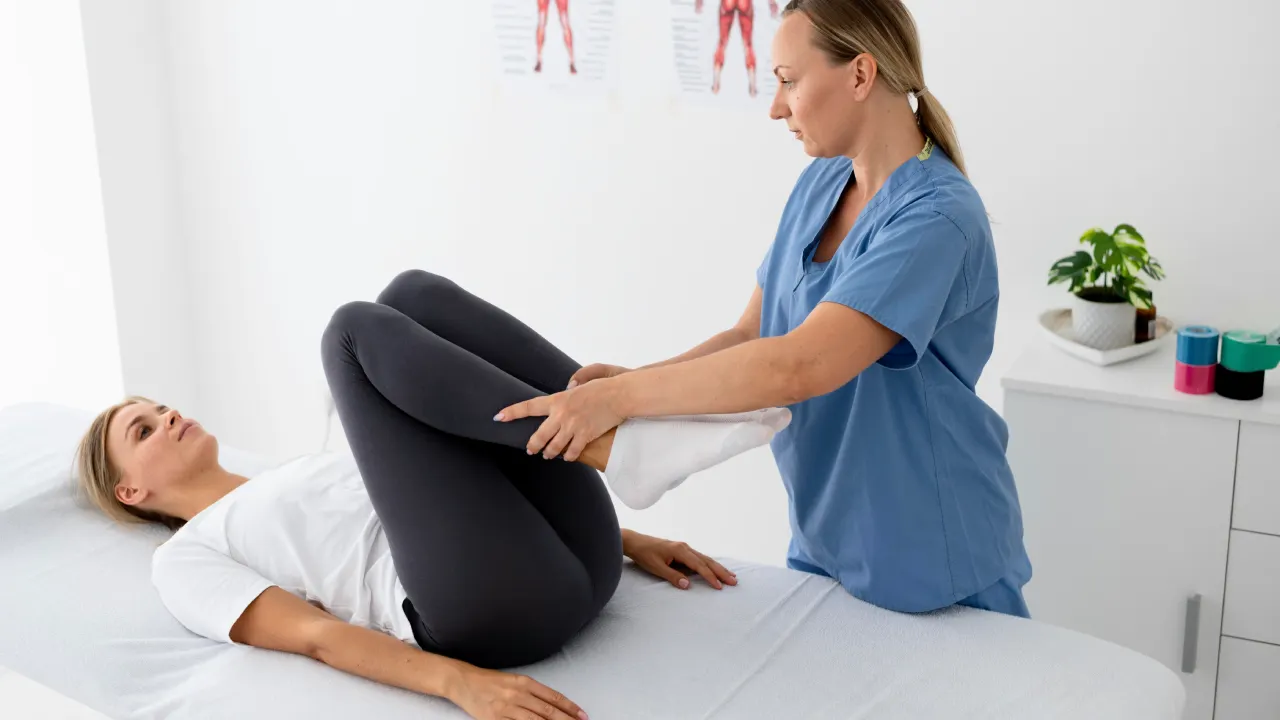
Pelvic muscle health can influence bladder control, bowel habits, sexual function, posture, and everyday movement.
read more
A Motor Vehicle Accident can impact more than your vehicle.
read more