Very professional and caring.
7 Shocking Ways Acupuncture Can Fix Your Pain – Without Pills!
5A-1410 Bayly St, Pickering, ON, L1W 3R3, CA
252 Reviews

My experience with physio at this clinic has been very positive.
Raji is kind, considerate, and genuinely takes the time to understand my pain and concerns before creating a treatment plan and recommending pain-management methods. For months I was receiving the wrong information from other professionals, but since meeting Raji, I am finally starting to feel better and feel hopeful about my recovery. I truly appreciate the care and attention I am receiving at Bayly.
Friendly, knowledgable, and always supportive to patients, Bayly Physio & Rehab is a group I will always recommend to friends and colleagues alike.
They have helped me a great deal with my back and feet, which, working in healthcare, go through a great deal of wear and tear.
Thank you Bayly Physio & Rehab!
I’ve had a great experience at Bayly Physio & Rehab. The clinic has an excellent team of professionals who truly care about their patients and work together to provide high-quality care.
They offer a wide range of services including physiotherapy, chiropractic care, massage therapy, acupuncture, osteopathy, pelvic floor therapy, and rehabilitation programs. The osteopathy services are especially helpful for people dealing with chronic pain, mobility issues, and overall body balance, and the practitioners take a very holistic approach to treatment.
The entire team is friendly, knowledgeable, and very supportive. They always take the time to listen, assess the problem carefully, and create personalized treatment plans. The clinic environment is welcoming and professional, and you can see how well the staff collaborate to help patients recover faster and feel better.
I highly recommend Bayly Physio & Rehab to anyone looking for comprehensive rehabilitation and wellness services. The dedication and care from the whole team truly make this clinic stand out.
I am really happy to visit to rajalakshmi for physio she is extremly good on her work and its really help me alot to reduce my leg pain
Wow! Never thought it would be possible to not have neck pain. Went in to my first appointment thinking that it would take awhile before I’d see any results but I felt relief immediately and the next day, I woke up with no pain in my neck! It’s been a bit more than a week and I’ve been doing my exercises every day and the pain has stayed mostly away. I like that Dr. Raji shows me how to do the exercises, then she does some work on me to give immediate relief such as massage, heat with tens machine etc…I’ve recommended my husband to come for for pain and hope Dr. Raji will be able to help him as well. Highly recommend! Regarding the staff…the receptionists and Dr. Raji are kind and I felt comfortable in my visits.
Therapist was very professional
Provided great treatment and treatment plan
My family and I have been visiting Bayly Physio for the past few months, and we’ve been very happy with the overall service. Raji takes the time to clearly explain the issue and provides helpful follow-up exercises after each session. Her guidance has significantly eased my shoulder pain, and I truly appreciate her professional and attentive approach. Highly recommended for anyone looking for effective and caring physiotherapy support.
I started osteopathic therapy at Bayly Physio & Rehab in December of last year after dealing with persistent lower back pain for over a year. Sitting was extremely difficult, and I had already tried many different treatments including chiropractic care, physiotherapy, and injections, but nothing provided lasting relief.
I originally found Blaise the Osteopathic practitioner through an ad on Instagram, and I’m really glad I decided to give it a try.
The osteopathic approach has been a completely different experience, very thorough, hands-on, and focused on treating the body as a whole. Since starting treatment, I’ve noticed real improvements in my mobility, comfort, and overall ability to manage daily activities. My pain and discomforts went from a scale of 10, from a 9 to pain free.
I would definitely recommend osteopathic therapy at Bayly Physio & Rehab to anyone dealing with chronic back pain.
Raji and Blaise were amazing and helped me a lot with my severe back pain. I was able to get back to work within just a week! I’d definitely recommend them for physio and osteopath 🙂
Bayly Physio is the best place to begin your rehabilitation. They offer comprehensive services with excellent care and support. I truly recommend this clinic for better recovery and outcomes. The entire staff is kind, professional, and very responsive. Thank you to the team at Bayly Physio
I’m so impressed with the service and results of my treatment. I went in on Tuesday. My range of motion on my right arm was about 20% with severe pain. Raji was able to squeeze me in, she treated me and gave me new exercises to do, two days later my full range of motion had returned and pain was minimal. I’m so grateful for the team. I highly recommend Bayly Physio and Rehab❤️
I had an amazing experience at Bayly Physio & Rehab. My physio, Raji, was incredibly knowledgeable and skilled.
She used gentle manual therapy and gave me easy-to-follow exercises for my back spasm, explaining exactly what to do and why. She’s very patient and always cheerful, making my sessions worthwhile. My pain is gone, and I feel good again.
I highly recommend Raji and the whole team at Bayly Physio & Rehab for excellent, compassionate care!”.
I had a great experience dealing with their staff. Everyone is polite and welcoming. Their RMTs and kinesiologists are very resourceful and provide useful information
Due to my knee pain, I started going to Bayly physio . Raji did amazing job, excellent, due to her guidance I am absolutely fine. Thank you Raji. God bless.
Raji has a great practice. Raji is very knowledgeable, and is an excellent communicator. She’s built a great team around her who are attentive and very helpful. I’m very glad they are close to where I live and I’m happy that I chose Bayly Physio to get some help when I need it.
I received such a warm and welcoming experience here! The staff take their time to listen and provide thoughtful, professional care. I truly felt well looked after. I highly recommend this clinic for physiotherapy and back pain relief — they really know what they’re doing! Thank you Raji and all the staff.
I highly recommended Connie for the massage. She’s the best massage therapist I’ve ever had.

Excellent care & service. Raji & team are accommodating, professional & the best physio care I’ve ever received. Thank you Raji & team!
I can’t say enough good things about this clinic! I came in dealing with ongoing pain and tightness, and after a few sessions of physio with Raji & osteopathy with Blaise I’m finally feeling like myself again. They actually listen and tailor the treatment to you, not just a one-size-fits-all approach. Everyone is caring, welcoming, and genuinely wants to help. I’m very grateful I found this place!
I’ve been to Bayly Physio for treatment, and I can’t say enough good things about this place!
Raji, my physiotherapist, is very knowledgeable, caring, and always takes the time to explain everything clearly. She really helped me feel comfortable and recover faster.
Connie, my massage therapist, is amazing as well — she’s friendly, professional, and knows exactly how to ease tension and muscle pain.
Both of them make every visit a positive experience. The whole team is welcoming and kind.
I’d definitely recommend Bayly Physio to anyone looking for excellent care and friendly service!
Great treatment, convenient location beside pickering GO
I came to Bayly Physio struggling with bottom foot pain (plantar fascia). Walking was uncomfortable, and even standing for long periods felt like a challenge. From the start, Raji – physiotherapist was attentive, knowledgeable, and reassuring.
She diagnosed the issue thoroughly and provided a tailored exercise plan that made a huge difference. Now, I’m recovered—pain-free most of the time, with only occasional discomfort after long drives. The exercises were simple yet incredibly effective, and I felt supported throughout the process.
I’m truly grateful for their expertise and care. If you’re dealing with foot pain or any mobility issues, I highly recommend Raji for a thoughtful and results-driven approach to healing.
Connie, RMT is amazing! Highly recommend 😊
very professional, could see results in just 3 sessions, highly recommend this welcoming place to anyone who seeks rehab!!!
Raji is fantastic
I’ve been working with Raja at Bayly Physio & Rehab for a couple of months on my shoulder, and I couldn’t be happier with the results. She was able to fix the issue, teach me how to properly take care of it, and gave me the confidence to maintain my progress. Raja is very friendly, professional, and knowledgeable, and the whole staff is welcoming and supportive. It was a great experience overall, and I would definitely recommend Raja to anyone looking for physiotherapy. It was a pleasure working with her, and I’m very satisfied with the results
I came in with sharp knee pain and the team at Bayly Physio & Rehab has been amazing in my recovery. Raji and Varsha provided excellent physiotherapy that really improved the pain in my knees, while Daniel’s chiropractic care and Sam’s massages helped speed up the healing. The staff is caring, professional, and dedicated. Highly recommend!
Raji is an amazing physiotherapist. She has treated me for some injuries and I am happy to say her techniques and knowledgeable treatment has resulted in an awesome recovery.
I would atrongly recommend Raji to other clients.
Best of luck in your business & future.
Darryl
Excellent service! On time and effect. Raji D.is amazing. Her care and customization of your physiotherapy is spot on.
So glad I’m under her care!
I have nothing but good thoughts about Raji she is so professional and so caring; me and my husband coming to Raji for few months recommended by my colleagues at the gym and they rave about her and I would like to rave about her also, highly recommended!
Would definitely recommend, has helped my legs a lot as I do track.
100% Recommended.
Friendly staff, and great atmosphere.
Very great physiotherapist, she is respectful and cares deeply about her patients wellbeing and improvements… I suffered a spinal I jury with bowel and bladder dysfunction and within a matter of weeks I was able to stop my incontinence situation and see great improvements in my pelvic muscles… Thank you 😊
I find the body massage and physio therapy session is outstanding here. They gives the customers comfort n time . I also recommend my friends and family to Bayly physio and Rehab.
The best service ever. Great for athletes.
This clinic is amazing. Everything runs so smoothly. I also love that. It’s mostly women. Everyone is so friendly and so incredibly efficient.
One of the best rehab places in Durham, you will feel so welcomed as soon as you enter the place. Wonderful team of professionals who are highly skilled in what they do to make you feel better and recover soon. Highly recommended to anyone seeking rehab sessions👍
Amazing experience! Raji’s physiotherapy and Connie’s massage made a big difference in just a few sessions. The team is super caring and professional. Huge thanks to Varsha at the front she made the insurance process so easy! This is my go-to place now. Highly recommend!
1 month back I had bad upper back pain and I took some sessions with Raji the physiotherapist and with the help of Varsha I am now at ease and better with my pain. Would definitely recommend to everyone looking for a speedy recovery.
Great massage and physio! Connie is the best for massages- takes her time and really addresses problem areas! Raji is great for physio, gives and demonstrates great exercises. Highly recommend
Excellent service from Raji and Vasha. They make you feel welcome and put you at ease straight away. The sessions have eased my pain.
100 % visiting again.
They work hard to accommodate everyone and make me feel like welcome. Wonderful staff and give me wonderful care
Hi I want to share my own personal experience in Bayly physio one of the best physio in Durham region . I had foot pain for past two months I went to chiropractor near my home but it doesn’t worked out one of my friend suggested Raji physiotherapist I reached out for my husband first for his right hand pain immediately they respond and had appointment on the same day after a first sitting we saw huge difference then next day I went for my leg pain she treated really well and taught me some exercises trust me after first sitting the pain gone she I well experienced person and she has some magical power in her hands😍thank you so much for treating us
I visited Bayly Physio & Rehab for shoulder pain, its great treatment from Raji Physiotherapist – all working specialist in Message Therapist and Chiropractor are organized and committed in their treatment procedures. Appreciate their effort and guidance to follow-up treatment procedures.
I had Sciatica pain which goes all through my leg. My husband came to know Bayly Physio. I went with unbearable pain.Thanks to Raji and the co-workers. They took care of me nicely and now my pain has gone also I tried Chiro and Massage as well. Good Hospitality.Highly recommend Bayly Physio.
My physiotherapist, Raji, is incredibly knowledgeable, professional, and compassionate. Throughout my pregnancy, she has been a tremendous support, providing expert guidance on stretches and exercises that have helped me avoid pelvic pain and prepare for labor. Her approach is precise and effective, and she always ensures I’m well-informed and comfortable with each session. I’m grateful for her expertise and care.
Raji and her team are truly amazing!
I broke my kneecap in December.
The progression I’ve made is because of the physio I’ve had one on one with Raji.
She is patient, helpful and sweet.
The atmosphere is clean, calming and accepting of everybody.
There’s even beautiful spa music in the background.
Thank you Bayly Physio Team!
I recently visited Bayly physio and rehab for my back pain and had an amazing session with Raji, she assessed thoroughly the reason for my back pain and after the perfect analysis she stared my treatment session which lasted for 45 mins , and went very well during the treatment only I was feeling relieved in my pain and after the session completed pain was almost gone after which I took a chiro session with nooren and that to my amaze went absolutely fantastic
Amazing staff and professionals
Would recommend this clinic every time
Great. Would recommend for all rehab services.
Great massages by Connie.
I highly recommend this center for physiotherapy, massage, and chiropractic care. Rajalakshi (Physio), Connie (Massage), and Nooreen (Chiro) are amazing at what they do. The staff is friendly, and the treatments are highly effective. A great place for anyone seeking quality care!
Nooreen Warring and her team at Bayly Physio and Rehab are very knowledgeable and very compassionate. I had a cardiac arrest, and my balance was off track. She provided an initial test to see my weaknesses and which muscles I needed to improve. After three sessions, my balance improved, and she continued to increase and introduce new techniques to help my balance and strength. Due to my condition, and memory loss, an additional service that I love the most is their compassion of reminding me of my appointment. I recommend their team and I will continue my rehab.
Raji and her team are excellent. Her diverse team of friendly professionals brings different perspectives to figure out the root of the problem. Raji listens carefully and takes a practical approach to healing. I visited regularly in 2024 for a shoulder injury and the follow on effects of that injury. She helped me a great deal. Highly recommend Raji and the Bayly Physio team.
I’ve been a patient at Bayly Physio and Rehab for nearly two years, and my experience has been outstanding. Raji is an exceptional physiotherapist with extensive knowledge in various areas, including vestibular rehabilitation.
I initially sought her help for vestibular rehabilitation, and she resolved my issue in just four sessions. I now see her regularly for physiotherapy and am very pleased with her methodical treatment process.
My wife also met Raji at a different clinic closer to our home and was very impressed with her treatment. When Raji moved to this location, my wife searched for her online and found her here. Despite passing by several physiotherapy clinics, we chose to come here because we are very satisfied and confident in Raji’s care. She is friendly, explains her diagnosis clearly, and provides helpful guidance for home exercises with printed materials. We highly recommend her to anyone in need of physiotherapy and vestibular rehabilitation.
I’ve had an incredible experience with Raji, the physiotherapist, and Sam, the massage therapist, over the past few months. I originally went in for shin splints issue, and within 3-4 sessions, the pain was completely gone! Later, I had a back issue, and with just a couple of deep tissue massages from Sam and physio sessions with Raji, it was fully resolved.
Currently, I’m working with them for tennis elbow problem. I haven’t been able to play badminton properly for months, as overhead shots caused immense pain. After only two physio sessions with Raji and one massage with Sam, the pain has practically disappeared like magic. They even applied K-tape for extra support, which has been very helpful.
Their scheduling is exceptionally well-organized, and they offer late evening and weekend appointments, which is perfect for busy schedules. They also bill directly to insurance, making the whole process seamless. I’m genuinely impressed with the personalized care I’ve received. Big thanks to both Raji and Sam for their expertise and care – I highly recommend them!
It’s a trusted place to go for any kind of physiotherapy or message therapy. Raji is a very resourceful and experienced physiotherapist who can assist with your recovery. I strongly recommend everyone to visit this place for your any kind of physio needs.
Rajalakshmi is the best physiotherapist I have ever seen,I had severe diastasis recti After my 3 ceaserian ,By doing pelvic floor exercises prescribed by her my diastasis recti got much more better Iam over whelmed,she is so caring kind ,and motivated.I recommend anyone with diastasis recti should visit her.
I really had a good experience. All the services they provide are really good and they will walk you through all the process during the process and will help in a fast recovery.
I’m feeling lucky to have found this place. Physiotherapy has made a huge difference in my daily life. Only 3 weeks ago I started Physiotherapy and the improvement is more than I could expect. I no longer wake up in the middle of the night with pain in my shoulder. Staff are friendly and very competent in what they do. Chiropractor is amazing, she is more than just a Chiropractor, she’s a acupuncturist, and massage therapist all in one which creates a full comprehensive Physiotherapy chiropractic clinic. Definitely a 5 star clinic.
Good place and my physiotherapist Raji was exceptional.
I had a great experience with Bayly physio and rehab where I could really get back my strength and relieve all pain. Thanks to the team.
Great visit. Received the information from Dr. Raji to treat my concerns both in clinic and at home.
Excellent customer service and minimal wait time, if any. All requests and questions have been responded to quickly and thoroughly. The staff often go above and beyond what is asked of them! I would highly recommend this clinic to anyone looking for the professional services offered here.
Good place for physio and cairo. Highly experienced staff..
Been coming here for physiotherapy on sports and work related injuries. Ravi has been great and has always been successful with her treatment plans on me.
Great service and nice location. Friendly staff definitely my go to place for physio / massage
Have had a few physiotherapy sessions so far for back / wrist pain and tightness. Honestly very happy with the results a lot of relieved tightness and am already feeling a lot better. Additionally she is very knowledgeable and provides good advise to work on the issue during your own time. Will continue to go back and highly recommend this clinic.
Best place for physio and massage therapy. All staffs are very friendly and kind.
Always a great experience with all the practitioners. They listen and address the concern with the appropriate treatment. They also recommend at home treatment that can be done any time between clinic visits/treatments.
My family and myself have been coming to Bayly Physio and Rehab for years, and we are very fortunate to receive great service from an amazing group of professionals! This includes the prompt responses to all of our unique needs, and being seen on time and greeted at every appointment from the efficient front office staff, to the customized treatment we all receive from all the clinicians, including physiotherapists, massage therapists and chiropractors. Thank you to all of you for your dedication and amazing service – we will continue to recommend Bayly Physio and Rehab to all our family and friends!
I have been seeing Raji for a very complex knee injury. The progress I have made is incredible in a short period of time. Rajii is a very kind and compassionate professional. Her plan is working perfectly for me.
Connie is amazing! Very skilled and knowledgeable.
I cannot express enough gratitude for the exceptional care I received from Raji and the entire team at Bayly Physio & Rehab I was in severe pain and in desperate need of immediate attention. Despite it being the end of the day, Raji kindly extended their hours to accommodate me, providing the much-needed treatment. Their dedication and willingness to go the extra mile truly made a difference in my recovery. I also want to give a special shout-out to the receptionist, Nivashini, who was incredibly helpful in arranging a last-minute appointment. They were understanding, compassionate, and efficient, ensuring I could get the help I needed without delay. Thank you to everyone at Bayly Physio & Rehab for your outstanding service and genuine care. I highly recommend this clinic to anyone in need of physiotherapy!
Rajalakshmi is gr8. I recommend her for anyone looking for a quick relief from sports i njury.
Raji Dhasarathan is one of the very best physios around. She is extremely professional, very knowledgeable and has worked wonders on my aching body. She provides excellent patient care, including instructions for at home exercises, icing/heating protocols and cautions around activities to be avoided. She does not prolong treatment beyond what is necessary. I would highly recommend her.
Thank you Rajalakshmi Dhasarathan my therapist for taking care of my scar tissues after my breast surgery!! So much relief from the pain also my arm and hand movements is 80 percent better in just 4 visit!! She is so professional and gentle in taking care of the pain!!! w⭐️ 10⭐️⭐️⭐️⭐️⭐️⭐️⭐️⭐️⭐️⭐️
I recently visited Bayly Physio & Rehab for the first time and had an amazing experience. Physiotherapist Rajalakshmi Dhasarathan provided excellent care for my injury, guiding me through the recovery process with expertise and kindness. She also arranged for me to receive regular massages with Connie, the massage therapist, who was fantastic and greatly improved my overall well-being. Additionally, I experienced Chiropractic treatment for the first time. Chiropractor Nooreen Warring was skilled and made me feel at ease. She performed adjustments on my neck and back, and I felt so much better afterward. The receptionist was also wonderful. She was always kind and organized, sending email reminders and calling to confirm appointments. Her warm and welcoming attitude made each visit even more pleasant. Overall, the team at Bayly Physio & Rehab is professional and caring. I highly recommend them for anyone in need of physiotherapy and other related treatments.
I recently had the pleasure of visiting Bayly physio and rehab clinic and I can’t say enough good things about my experience. From the moment I walked in, the staff were warm, welcoming, and highly professional. One person who truly stood out was Connie, the massage therapist. She has an exceptional understanding of the human body and a keen ability to pinpoint and alleviate pain. She took the time to listen to my concerns and tailor the session to my specific needs. The massage was both therapeutic and relaxing, and I felt a significant improvement in my muscle tension and overall well-being after just one session. The clinic itself is clean, modern, and equipped with the latest technology to aid in recovery and relaxation. I appreciated the holistic approach taken by the entire team, which included a comprehensive assessment and personalised treatment plan. I highly recommend Connie and Bayly physio and rehab clinic to anyone in need of physiotherapy or massage therapy. Their expertise, care, and dedication to their patients’ health and well-being are truly unparalleled.
Extremely happy with Physio treatments received from Rajalakshmi after major rotator cuff shoulder surgery! She has followed protocols provided by my surgeon, and augmented her techniques with other treatments, reducing my recovery time. Even my surgeon was amazed at my speedy progress and commended my physiotherapist! Thank you!
Excellent service, I couldn’t walk when I arrived back in Canada, now I am able to walk short distances without walking stick
I had an amazing experience at Bayly Physio & Rehab! The massage therapist (Connie), was very welcoming and patient. She listened to all my needs and tended to them perfectly. On top of that the staff and the front desk were extremely helpful and the clinic environment was soothing and pleasant. I would definitely come again and recommend this to all my friends and family.
I was very pleased with this clinic. They provide top notch services. Sam was very professional, attentive and caring who helped me get back feeling good!!! Many thanks to him. Admin staffs are very courteous, kind and helpful. I definitely recommend this place to all my friends and family.
Thorough assessment of my issue. Progressive follow up, treatments and exercises as healing progresses. Very friendly team!
Raji is an exceptional physiotherapist! She is super attentive and highly efficient in her work. During my sessions, she took great care to address my pain areas and tailored the therapy to my specific needs. Thanks to her expertise and dedication, I saw significant improvement and relief. I highly recommend Raji to anyone seeking top-notch physiotherapy care!
Raji is AMAZING!!! Thank you so much for everything!
I find the body massage and physio therapy session is outstanding here. They gives the customers comfort n time . I also recommend my friends and family to Bayly physio and Rehab.
I recently had a great experience with physiotherapy at this clinic. The therapist Raji was very knowledgeable and professional, and they took the time to assess my condition thoroughly and develop a personalized treatment plan. The exercises and techniques recommended were effective in helping me improve my mobility and reduce my pain. I also appreciated the friendly and welcoming atmosphere of the clinic, which made me feel comfortable and supported throughout my sessions. I would highly recommend this clinic to anyone in need of physiotherapy services.
Great experience for Pelvic Therapy. Seeing a lot of improvement on my condition. Highly recommended for Pelvic Physiotherapy.
Very good service especially with Rajalakshmi. Everytime I go for treatment she is wonderful at her job. I always get better. I highly recommend her!
Great experience and friendly staff! I highly recommend!
Very good Physiotherapists, I am going for my daughter tippy toe walking. We are seeing the difference after coming here.
I absolutely LOVE this clinic! Top notch professional services by Raji (physiotherapist), Nooren (Chiropractor), and Conny (massage therapist). Both the receipcinists are very friendly too specially Asha. Their treatment and recommendations are excellent. Nooren is such a warm person. She has such positive energy that it’s always a delight seeing her! Highly recommended!
Healthcare professionals are very attentive and extremely patient
Raji has played a key role in my postpartum physical recovery. I leave each treatment feeling much better and the stretches and exercises prescribed have helped long-term progress. Would highly recommend.
Love going to Bayly Physio. A place where you can go and get the best care from the amazing staff, very personal and professional the work that they do. Raji the Physiotherapist is great at what she does and Noreen the Chiropractic is also great in what she does in her field. I highly recommend this place.
I recently had a great experience with physiotherapy at this clinic. The therapist Raji was very knowledgeable and professional, and they took the time to assess my condition thoroughly and develop a personalized treatment plan. The exercises and techniques recommended by Raji were effective in helping me improve my mobility and reduce my pain. I also appreciated the friendly and welcoming atmosphere of the clinic, which made me feel comfortable and supported throughout my sessions. I would highly recommend this clinic to anyone in need of physiotherapy services and other services.
Always left feeling much better than when I came in. 100% reccomend Raji
I received very reassuring and comprehensive care with highly personalized recovery treatment based on rehabilitation. Very methodical care and treatment plan Surprisingly I was referred by my doctor and the bone and joint specialist doctor to this place and the specialist stated and I quote “heard nothing but good news about this place and practitioner.” It’s always reassuring when a specialist doctor gives such high praise for the clinic.
I found the staff personable and professional. Raji, the physiotherapist, was very proficient and explained her treatment as she went through the session. I would not hesitate to recommend Bayly Physio to anyone needing the service of a physiotherapist. Ed.
I have been going to see Raj now for a couple of weeks. She is very kind, personable, and thorough in her work. She gives exercises to do at home to help with the recovery process. I would highly recommend her.
My experience at Bayly Physio has been very good. I recommend them for physio and rehab.
Great massage. I went there for a massage yesterday and I really liked their service. When it comes to massage and service at the front end .. 5/5. Atmosphere wise it’s more of an RMT massage so not those spa kind. I would go there again.
“I had an excellent experience at Bayly with Raji. She was incredibly professional, attentive, and skilled in her approach. The entire staff was friendly, and the facility was well-maintained. I saw noticeable improvement in my condition thanks to Raji’s expertise. Highly recommend!” I also took massage therapy left feeling rejuvenated and refreshed. I recommend Connie to anyone seeking a skilled and professional massage therapist.
Great Team of staff with excellent knowledge, care and professionalism!!!
Excellent service and Excellent staff
Raji is a great physiotherapist. She’s very friendly and knowledgeable and has helped me towards recovering from my injury. The receptionist is also very friendly and they have great service.
Great staff, very knowledgeable. My go to for sports injuries, rehab and overall maintenance.
Always professional and courteous. Have seemed to have the best intentions in mind in regards to my situation. Each appointment has helped improve my overall ability.
Raji is a fantastic physiotherapist. I have been going to her to help manage arthritis pain in my knees for over a year. With her encouragement and support, I’m able to manage my daily tasks. Her warm, kind approach always puts me at ease.
I started going to Bayly Physio & Rehab due to injuries from an old car accident as well as a more recent one. My experience has been great so far. Dr. Raji really cares about her patients and has continued to give excellent treatment. I feel like everyone at Bayly Physio cares about my well being and getting me back to good shape.
This is the best team I’ve had! Conny, my RMT is awesome! Very skilled and knowledgeable with different techniques. Hot stones are great! My chiropractor Raji is also very experienced and her skills have helped me greatly. I thought I had tennis elbow but it was just tight forearm muscles, quads have better stretch and I feel so good overall. I’m extremely happy that I found this place on the internet when I was in desperate need of relief. I would highly recommend you give them a try…
I have had an excellent experience at Bayly Physio and Rehab. Raji and Sam provided exceptional care, demonstrating expertise and genuine concern for my well-being. The receptionist is also friendly and efficient. I highly recommend their services to anyone seeking top-notch physiotherapy.
Excellent service and great results. Thank you Raji and Sam!
Great team
I’ve had very good physio therapy experience with practitioner Rajalakshmi on every visit. Her expertise has helped me with my jaw and neck issues and it has come to a point where I try to get therapy from her every month.
Absolutely thrilled with Bayly Physio & Rehab! Raji, the real MVP helping me bounce back from a shoulder injury. Raji is patient, knowledgeable and one of the coolest physiotherapists that anyone would work with. Her attention to detail and follow up on the recovery progress is amazing. And not forgetting, Asha and the front office staff are so friendly and welcoming! I would highly recommend this clinic!
My interactions with their office to their physiotherapist have been excellent! I had a very bad stabbing pain in my lower back that just happened in the early morning and could not sit, sit-to-stand, walk, without needing to use my walking poles to help me up and down. I was fortunate in being to see their therapist today at the last minute. They are very professional, communicate clearly, empathetic (they realized I could not sit because of the stabbing pain), so they offered to let me ly down on the massage table while I waited. All-in-all a wonderful experience (despite my circumstance). I will be returning for followup treatments!
Very good service.
Raji and the staff at Bayly Physio & Rehab are all wonderful! They are all professional and kind, and they are very accommodating when fitting appointments into my busy schedule. Raji has given me many different exercises to aid in my recovery and always makes sure I have a full understanding of them before I leave. I highly recommend this clinic!
It’s very good place good service staff s very careing and allways care about others time safety
Raji is a great physiotherapist. She goes above age beyond to help with pain. She helped me improving blood circulation on my arms and shoulders as well as relieve my lower back pain. She taught exercises to do at home as well. The massage therapist, Connie, is also great and provides an awesome full body massage. Both are great practitioners and I highly recommend them.
Thank you to Raji and all the staff at Bayly Physio and rehab. I am so happy since I and all my family have been there all of my pain is being taken care of and I would recommend and refer them to anyone and everyone.
I am happy with my therapist and I would recommend her to friends.
Extremely encouraged by the treatments I am receiving from Raji. She is the first person that has diagnosed and clearly explained my condition and prognosis to me so that I can understand why I am feeling the way I am. I would definitely recommend her services to others!
Raji is very professional and knowledgeable. She takes her time to explain everything. She has been helping me with pelvic floor physiotherapy and I been learning alot from her . My whole family goes to her and has great things to say about her. I also go to Connie for prenatal massage, she is very professional and helped alot with my back pain. Front desk staff are so nice and friendly, always easy to reach them ,and they always call back if you miss them. All the staff in this clinic are extremely friendly and welcoming.
The physiotherapist treated me extremely well. They made sure the correct questions were asked and that my back pain was gone. Thanks a lot Bayly
This clinic is my go to for physiotherapy and basically any care I need! I had a very bad ganglion cyst and instead of going to walk-ins and wasting time, I thought of giving a try with Physio. Raji gave an appointment right away and diagnosed the issue in first visit. The treatment and care she provided was outstanding. My ganglion cyst has been gone down like it never even there. Raji is very professional, knowledgeable, friendly and exceptional at Physio. The clinic is overall great, there is also RMT massage available and the front staff at the clinic are also friendly and welcoming!! I actually recommend this clinic to family and friends!
5 star very friendly environment. Great job on focusing on patient needs. Helping me with knee and back pain. Will recommend others to go here. Massage is great to.
Being pregnant with my first child, I was a little nervous when starting my pelvic floor physiotherapy. However, the staff at Bayly Physio put all my worries to bed. Dr. Rajalakshmi Dhasarathan is patient, explains everything in explicit detail, and encourages me to ask any questions if necessary. I feel more confident and stronger as I approach my due date and will continue going to the clinic postpartum.
I had rotator cuff problem and my doctor suggested I take physio. After checking the internet for a place I decided to go to Bayly Physio based on the reviews. I made the right choice. Raji has been great and my shoulder is feeling much better. On my first visit reception contacted my insurance company to see if part of my treatment was covered. They have been nothing but helpful and friendly. Highly recommend them.
I was referred through my friend. Very happy with the service, Raji is very knowledgeable and explains well about the treatment. Very friendly. Also same with Asha at the reception.
Very happy with the service, Raji is very knowledgeable and goes out of her way to help her clients. I had only 3 sessions so far for my neck and shoulder pain and I am already feeling so much better. Thanks to Raji and her team!
Excellent Physio Provider – My therapist Raji (and Smitha prior to that) completely reversed my wrist pain. All the staff are warm, friendly and courteous. Easy direct billing though insurance.
I started at Bayly Physio on a recommended after I injured my shoulder. So glad I did. They helped me big time to reduce my pain,to increase my arm movements and taught me steps to prevent future injury. The clinic is welcoming with many services like massage. The best part of Bayly Physio hands down is the staff. They are knowledgeable ,supportive and kind I highly recommend the clinic.
Efficient and friendly staff, I cant even express the pain relief I had. Thank you
I went to Bayly Physio and Rehab when I was on holiday in Canada. I needed a lot of paperwork to submit the cost of treatment to my international medical insurance. The team at Bayly Physio was very helpful and made sure I had everything I needed. It didn’t take long to get an appointment and treatment was fast and effective.
This place is really nice. The staff is polite and helpful. The service is great and their availability is great as they are open on Saturdays.
I’ve been working with Raji this year as I suffer from various different back problems which spiked around January. She’s helped me a lot, and shows sincere care for her patients. Highly recommend!
I was referred to by a family member. First time doing Physiotherapy and it was awesome. The staff are very polite, friendly, and have great conversations with clients. I feel relaxed, during my treatments and my pain had definitely gotten better. Thank you Bayly Rehab and Physio. 👍😊
Happy to share my experience with Bayly Physio & Rehab team since July 2023 for my daughter’s flat feet. I really appreciate Mrs. Raji, the physiotherapist who is really kind, knowledgeable and has good experience. She clearly explained what can be done and suggested the needed exercises that is truly supporting the healing process. I appreciate and would highly recommend!
Good atmosphere good receptionist and the workers take their time and do a good job
I have received exceptional care with physio, acupuncture and massage and am on the mend. Everyone is warm and welcoming and I highly recommend Bayly Physio and Rehab.
Hi I have taken physio for sciatica pain and Dr. Raji was very helpful. She spent enough time to let me understand the issue and how to overcome in future. Good treatment
I had a fantastic experience with Raji and her team. From the moment I walked in, I was impressed by the professionalism and warmth of the staff (to the lady at the front desk, thanks for letting me believe again that not all the admins are rude as the experience I had in a different place). Raji is incredibly knowledgeable and took the time to understand my specific needs. I’m thrilled to say that, thanks to their expert care, I’ve seen a remarkable improvement in reducing my knee pain. I wholeheartedly recommend Raji to anyone seeking top-notch care and a welcoming environment. Thank you for helping me regain my health and well-being!
I had a great experience at Bayly physio and rehab centre. In the first visit itself Raji was patient and carefully listened to my entire history, asking detailed questions to understand my issue better. She made sure to answer all my questions and gave me an informative overview of how my sessions would go. Raji was so great to work with, I looked forward to all my sessions. I followed her recommendations as best as I could and felt better in no time. Would definitely recommend Bayly Physio and Rehab and especially Raji.
The Bayly Physio team is exceptional. Raji is patient, knowledgeable and one of the nicest physiotherapists I have worked with. She is kind, friendly and very caring. I would highly recommend her. Connie is also a great massage therapist. She is very professional and friendly. She always listens and takes great care of her client’s needs and ensures she caters to the appropriate focus areas. The front desk staff are also very friendly, efficient, and always welcome all clients with a great attitude.
Had an extraordinary service by Raji. I had a knee injury and was quite bothering for my mobility . My recovery was solid , exceptional care taking and passionate professional.Highly recommend !!
I had very good service with my therapist Raji, also i met kind staffs they were so kind & helpfull. I would like to recommend the clinic without hesitation.
I had a acute back pain and was trying to get a physiotherapist appointment in Durham. Bayly clinic gave me an appointment the very next day. Rajalakshmi is my therapist. She is nice. Patient and professional in her approach. I feel am at good hands and will soon recover. When I could Not even walk from parking to the clinic, they came out to support me and take me inside. Raji calls me very other day to check on my progress. They are always there to adjust appointments and squeeze me in when there is a gap / cancellation. Therapy itself has helped me a lot to walk now. Very accommodative, experienced and kind crew.
I used bayly services for two medical conditions, i was extremely pleased in both experiences, Raji is absolutely amazing! Very caring, and professional, she take the time to explain everything, the process, home exercise and all. I highly recommend bayly physio rehab and particularly RAji
I would highly recommend Bayly Physio & Rehab. Raji, my physiotherapist, she is extremely knowledgeable. My hands knees and ankle is getting better with each visit with her. The staff is also amazing.
Always helpful
I have experienced great pain benefit after receiving treatment from Raji. She and her staff and attentive and caring when booking appointments in a timely manner. I highly recommend them!
The physio therapist is very friendly and helped me with my pain. She is punctual and reliable.
I love the Bayly Physio Team! This team is exceptional! You will find all your required treatments, physio, massage, acupuncture and chiropractic available at Bayly Physio. I have used this team on a couple of occasions due to knee injuries and my recovery was 100%. The team and will go above and beyond to manage and ensure the right treatment and recovery results are achieved . Their massage therapist is amazing! The best massage I have ever had! Again goes above and beyond to ensure your required results are achieved based on your specific treatment requirements. Highly recommend this team for all your Physio needs. Carol
It was actually a good experience for me. I’m feeling match better. I really recommend Bayly for others also.they also provide excellent customer service.
It was really a good experience. I am so satisfied with the service.
Professional staff and incredible service. They also suggest the exercise and posture for my neck pain.
Due to my balance issues associated with Ménière’s disease I have been receiving vestibular rehabilitation from Raji Dhasarathan at Bayly Physio and Rehab. She performed a thorough assessment and taught me exercises to improve my balance. I would highly recommend Raji, she is professional and patient with a wide range of knowledge relating to balance disorders,
My physio [Rajalakshmi] and chiropractor [Nooreen] sessions were transformative in alleviating the long-standing stiffness in my back, neck, and shoulders. The combined efforts of these two disciplines provided a comprehensive and personalized approach to my treatment, resulting in remarkable improvements in my mobility and overall comfort. I wholeheartedly recommend seeking such an integrated approach to anyone seeking relief from similar musculoskeletal issues.
The staff there are amazing 100% 10/10
Bayly Physio and Rehab is absolutely amazing. Thank you to Raji for my Physio that has allowed me to resume to day to day life and work and to Sam for Massage Therapy which has also allowed be to resume day to day life. With this combination I no longer live in excruciating pain. The receptionists are so kind and helpful. All in all I would recommend Bayly Physio to anyone in need.
I like the place very clean and organized. I like physiotherapist Raji. She is professional and wonderful person. I feel very comfortable. I can strongly recommend to anyone.
Bayly physio and Rehab have been amazing right from the start. They were the only place willing to take me on short notice on a Saturday after my injury. The staff are fantastic and I saw immediate results after my first visit. They have been super accommodating with scheduling all my appointments and I love how I’m getting different treatments and stretches with every visit.. Dr Raj was very knowledgeable when it came to diagnosing my injury and with explaining everything she does with the treatment process. I unfortunately have a great deal of experience as a patient with these types of places and I can honestly say that I have never had a better experience.
Amazing, patient service and very helpful exercises!
Raji is excellent physiotherapist who is very knowledgeful and thorough professional. I was not a big beleiver of physio services and Raji has completely changed it. I can recommend Bayly to anyone.
Raji has assisted me in managing my back pain. She has provided the care and treatment and I have noticed a significant improvement. She has also provided exercises which I need to follow. I am happy with my results thus far and I would definitely recommend Raji ! She is very patient and accommodating.
Clean and well maintained facility. Dr. Raji is very professional and thorough in her examination and recommendation of exercises. Sam is a very effective RMT as well who can work on tandem with her treatment. Friendly admin staff who call and remind appointments ahead is a bonus. Recommend.
Very good
I have severe disc herination at lower back and got severe pain impacting my mobility and approached Bayly Physio and Rehab Raji is the best physiotherapist I have met. She patiently looked in to my previous reports ,clearly explained me root cause of the pain before starting with the treatment. During each visit , she patiently hears the symptoms and day by day progression and alters the treatment plan accordingly. Though my issue is severe , I strongly believe this conservative treatment would heal and avoid surgical intervention.Thanks to Raji for the efforts she puts towards her patients.
Also had massage appointment with Connie and she is best in removing knots which indeed helped in quick recovery. I have been to other massage therapist but for sure she has some magic in her hands.
Prevention is better than cure. With kids on online school during COVID, it’s better to check the posture with physio. Raji assessed my 8 year old son and figured the posture adjustments and exercises to help him recover. She patiently handled my son althrough my session.
The receptionists are very friendly and they maintain the environment neat. You can easily check the appointment availability online or the receptionist are on a call away.
I will strongly recommend Bayly Physio and rehabilitation if you have any ortho issues.
Great services! Raji is a knowledgeable professional. She is very attentive to clients and listen carefully.
I have neck and shoulder problems and this clinic has provided me a exceptional treatment. My Physio therapist Ms. Raji and the whole staff of Bayly Physio and rehab has been very excellent and accomodating. Thank you
Raji is a knowledgeable Physio and easy to work with.
They are excellent. I’m very happy with my treatment. The staff is very knowledgeable and kind.
Highly recommended.
My husband and I have been suffering from severe shoulder pain. Being right handers, with pain on right shoulder, it was really difficult for us to do any work. We visited Bayly physio based on a recommendation from one of our friends.
Our physiotherapist Raji was extremely helpful in diagnosing the problem and providing us effective treatment plans. She was very professional and was extremely knowledgeable. With the physio sessions and exercises she provided, we were able to see improvement in our pain within a few weeks. Thank you Raji and team for the diagnosis and treatment
I had the pleasure of receiving physiotherapy treatment with Raji and she was fantastic! I was not able to sit or lie down because of pain in my shoulder. After a few weeks, I was able to sit , lie and feel well. I highly recommend Raji and thank her tremendously for saving me.
Very professional and caring.
I have a great experience when I came to this clinic. The people are very accomodating and very knowledgeable explaining the necessary pointers I need to do with my concerns. They provide such a wonderful services.
I have to commend these people (Teena, Connie and Doonya) for assisting me and creating a relaxing atmosphere.
I would like to thank Raji my Physiotherapist. She was very understanding and was able to pick out my main issues without me telling her and also very comforting. I highly recommend the quality service including their massage.
Pleasant staff and a clean environment. Raj who is the physiotherapist is wonderful. She listens and is accommodating. She is always providing different exercises and knowledge. Highly recommend this location for therapy and they also provide a large range of services. Perfect for those who live in the Bayridges for walking distance.
Bayly P&R has been very helpful in helping me deal with a medical issue. The therapists are knowledgeable and friendly; it was easy to book an appointment online.
Very detail oriented and knowledgeable treatment. Very good carry home techniques. Better and faster recovery. Thanks for treating me at Bayly Physio
Very professional and expert physiotherapy services provided
Excellent communication & response promptly to queries.
Friendly staff
Highly recommended!!!!!!
Excellent Physiotherapy services for both adults and kids. Our entire family has taken physio services from the clinic . Rajalakshmi is highly knowledgeable and very professional physiotherapist. will definitely recommend Bayly physio to anyone.
Got recommendations for visting this clinic especially for Raji – and my expectations holds true. Raji my physiotherapist, is extremely knowledgeable, caring and kind. Having shoulder pain and mobility issues for dominant hand – the treatment plan to strengthen and ease pain for the shoulder – is helping me feel better. The staff is also very friendly.
Great, beautiful space in a convenient location. Staff are great to work with and practitioners are skilled.
I had sprained my back while bending down and couldn’t sit-up or stand. I was in severe pain and decided to visit Bayly Physio. Raji helped me tackle the pain. She is very professional and truly an expert in treating my back pain. I started to feel much better in 3 days time thanks to her. I would recommend Bayly Physio and Raji highly. She also took care of my tennis elbow pain.
My name is Jyoti Pithwa and I’m a patient at Bayly. Raji gives you personal service and very good.
I have been to this clinic for quite some time, for physio and massage they are very kind and understanding, Physiotherapist Rajalakshmi is great at her job and find out what the issue is quickly, and massage therapy is really relaxing and great, I recommend this Physio to everyone!!
At Bayly Physio, the client comes first. They are professional, courteous and caring. I recommend this facility. Thank you.
Raji and her team provide amazing physio services. She is very knowledgeable and provides useful exercises for strengthening. Raji is always pleasant to deal with and is very efficient with her time. For massage services, Connie is incredible – she has a healing touch and my body feels very relaxed after her massage. I highly recommend this location!
I was having Tennis Elbow Issue and I had a Physio treatment with Raji – She is good at listening to the problems and her attention towards the concern good. I recommend this place.
Highly recommend Bayly Physio and Rehab. Raji is an exceptional physiotherapist. I also recommend Chiro and massage therapist here.
The best Physio & Rehab in Ontario
It now has been three months and the chronic pain in my back and legs is completely gone. Almost three months ago I stopped driving my car and doing all exercises due to the chronic pain I was in.
Raji kept telling me to do my exercises she taught me to do and to keep doing them everyday. Wear my back brace and supporting stockings everyday as well. To be honest I did not think the chronic pain would go away I am very pleased to say with Raji therapy sessions and doing what I was told to do I am not crying in chronic pain anymore. Raji thank you for the excellent therapy and patience with me as well to deal with my chronic pain. I would highly recommend Raji for chronic pain be patience the chronic pain will get better. My quality of life was given back to me. Thank you Raji I cannot thank you enough for having my life back. Highly Recommend for chronic pain Raji. 😊
I have Ben working with Raji Dhasarathan for a few weeks with shoulder issues. She is very knowledgeable regarding my issue. Rahul is very patient and helpful in showing the techniques to ease my pain and strengthen my shoulder. I would recommend her to all. Thanks for your great care!!
Very helpful!
Very professional and very thorough.
I feel that the work being done to allow me more mobility and freedom of movement will pay dividends.
I have been a client of Rajalakshmi Dhasarathan for knee pain. Raja is very knowledgeable, dedicated to ensure you can recover through treatment, exercises and follows up to ensure all is well. I recommend visiting this clinic for a number of pain needs. Thank you Raja!
Amazing staff! They have helped me with my pain. I would highly recommend this place!
Friendly and professional.
Amazing physio, chiro and massage services here! Their team is excellent, friendly and knowledgeable. I highly recommend them!
Providers are very professional and patient care is great. I highly recommend this place for any Physio, massage, chiro and acupuncture services. I am very much impressed about their specialized treatment in Pelvic floor.
Amazing team. Extremely knowledgeable and caring. My family go here for massages, physio, chiro. Highly recommend…
It’s a very nice and comfortable place. Excellent staff and doctors. All 3 departments I have tried are good. Highly recommend physio and massage.
Excellent service, highly recommended!
Good Experience. Highly recommended
Great environment!!! Good professional care. Highly recommended this place.
Error: Contact form not found.

Knowing when to seek professional help can make a significant difference in your recovery and long-term physical health. Physical therapy is more than just treating injuries—it’s a proactive approach to maintaining strength, mobility, and overall well-being. In Pickering, residents can benefit from timely interventions that prevent minor issues from escalating into chronic problems. This article outlines seven clear signs that indicate it’s time to consult a physical therapy specialist, along with practical guidance on how therapy can help.
Physical therapy is a healthcare service that focuses on improving movement, function, and quality of life through targeted exercises, manual techniques, and patient-specific rehabilitation plans. People recovering from surgery, dealing with chronic pain, experiencing joint stiffness, or looking to regain strength after an injury can all benefit.
Unlike general fitness programs, physical therapy evaluates the root causes of mobility issues and addresses them with evidence-based strategies. For example, a physical therapist can identify muscle imbalances, improper movement patterns, or postural issues that contribute to ongoing discomfort or the risk of injury.
Early consultation with a physical therapy specialist can prevent minor issues from worsening. Delays in addressing pain, weakness, or limited mobility can lead to longer recovery times, compensatory injuries, or decreased overall function.
For residents in Pickering, taking prompt action ensures access to professional assessment and individualized rehabilitation programs. Physical therapy not only helps with recovery but also promotes sustainable improvements in strength, flexibility, and daily functioning.
Physical therapy specialists use a combination of manual therapy, stretching, strengthening exercises, and education to restore optimal movement. They also provide guidance on posture, ergonomics, and activity modification to prevent future injuries.
Treatment plans are tailored to each individual, taking into account age, lifestyle, medical history, and specific functional goals. Whether recovering from a sports injury, surgery, or chronic condition, physical therapy can help improve overall mobility, reduce discomfort, and restore confidence in movement.
Ongoing pain is one of the most common signals that professional evaluation is needed. If discomfort in the back, neck, shoulders, knees, or hips persists beyond a few days, it may indicate an underlying issue that requires targeted therapy.
Common Causes:
A physical therapy specialist can assess your symptoms, identify the underlying cause, and develop a program to manage pain while improving overall function.
Limited mobility, such as trouble lifting an arm, bending a knee, or turning the neck, is often overlooked until it affects daily life. Physical therapy focuses on restoring joint range of motion through stretches, mobility exercises, and gradual strengthening.
People experiencing stiffness may also notice fatigue when performing everyday activities. Addressing these issues early prevents further limitations and helps maintain an active lifestyle.
Struggling with common activities like climbing stairs, reaching for objects, or carrying groceries may indicate muscle weakness or balance issues. Physical therapy can improve functional strength and coordination, making routine tasks easier and reducing the risk of falls.
Examples of Functional Limitations:
Recovery after surgery or injury requires guided care to ensure proper healing. Physical therapy helps prevent stiffness, rebuild strength, and restore movement safely. Early involvement in rehabilitation programs can reduce long-term complications and promote faster recovery.
Specialists provide structured exercises and monitor progress, adjusting treatment as healing progresses. This ensures patients regain function while avoiding overexertion or improper techniques that could delay recovery.
Falls or loss of balance are serious concerns, particularly for older adults. Physical therapy assessment can identify contributing factors such as weak muscles, joint instability, or coordination challenges.
Through balance training, strengthening exercises, and mobility strategies, a physical therapy program can reduce fall risk while improving confidence in movement.
Arthritis, osteoporosis, neurological conditions, and other long-term health issues can gradually reduce mobility and increase discomfort. Physical therapy helps manage these conditions by strengthening muscles, improving joint flexibility, and promoting safe movement patterns.
Therapists also provide strategies to incorporate exercise safely into daily routines, supporting long-term physical health and preventing further deterioration.
Feeling weak in certain muscle groups or becoming easily fatigued during simple activities may signal that the body requires professional assessment. Physical therapy specialists can determine whether muscle imbalance, nerve issues, or sedentary habits are contributing factors.
Targeted exercises help restore strength and endurance, while therapy education promotes healthy movement patterns to prevent recurrence.
If you notice any of these signs, consulting a physical therapy specialist in Pickering can help you address the issue promptly and safely. Early evaluation allows for accurate diagnosis, personalized rehabilitation, and strategies to maintain mobility and strength.
For those seeking professional support, Bayly Physio & Rehab offers assessments and tailored treatment plans to help individuals recover from injury, manage chronic conditions, and maintain active, healthy lifestyles.
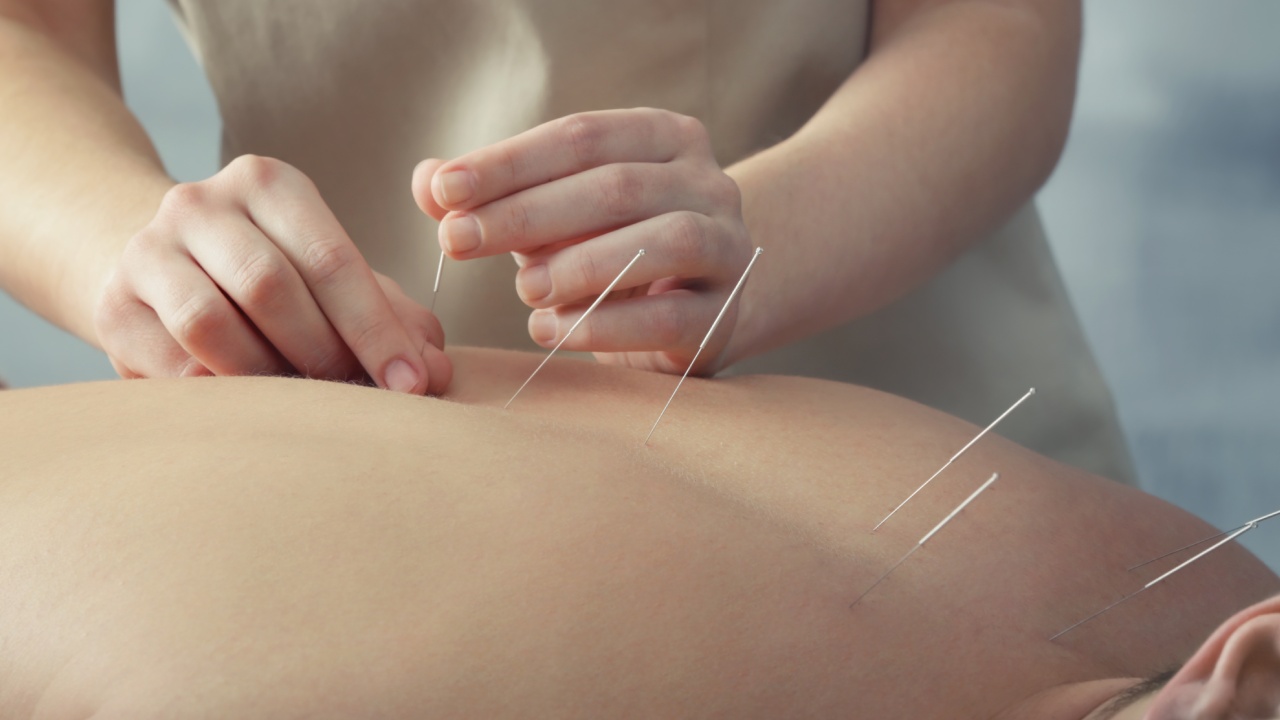
Chronic pain can disrupt daily life, from stiff shoulders to nagging backaches. Many people in Pickering are discovering that acupuncture provides a natural approach to managing discomfort without relying on conventional pharmaceuticals.
read more
Knowing when to seek professional help can make a significant difference in your recovery and long-term physical health.
read more
Emotional strain does not always show up as a single event. For many people in Pickering, it builds slowly and begins to affect focus, movement, sleep, and motivation.
read more